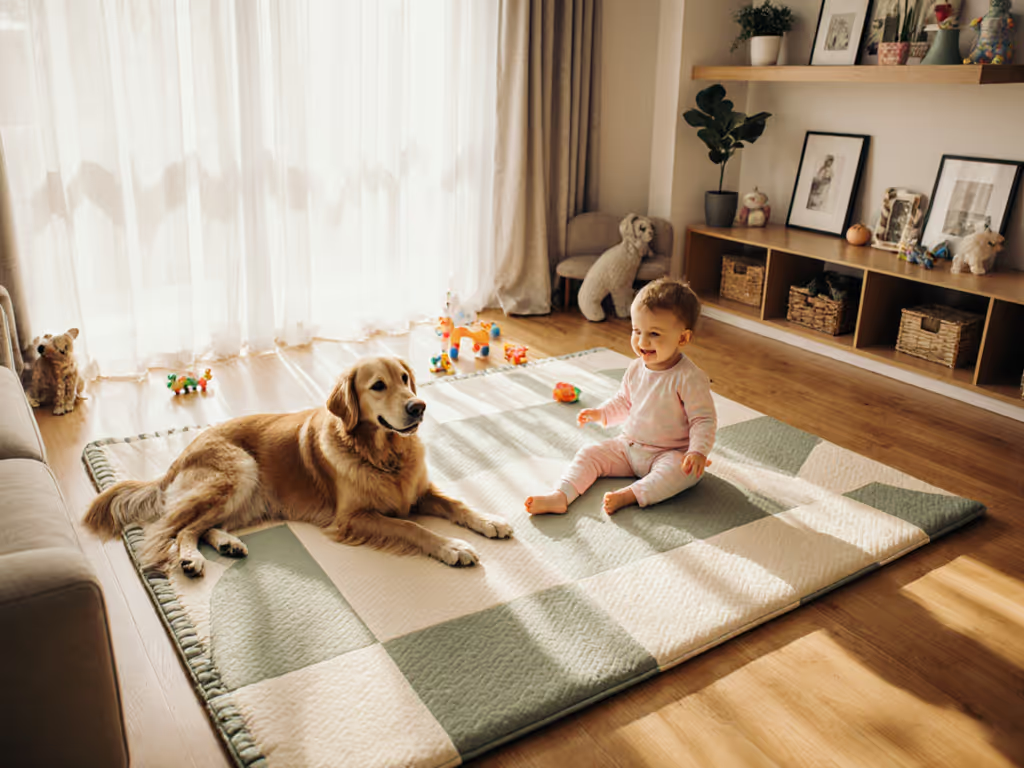
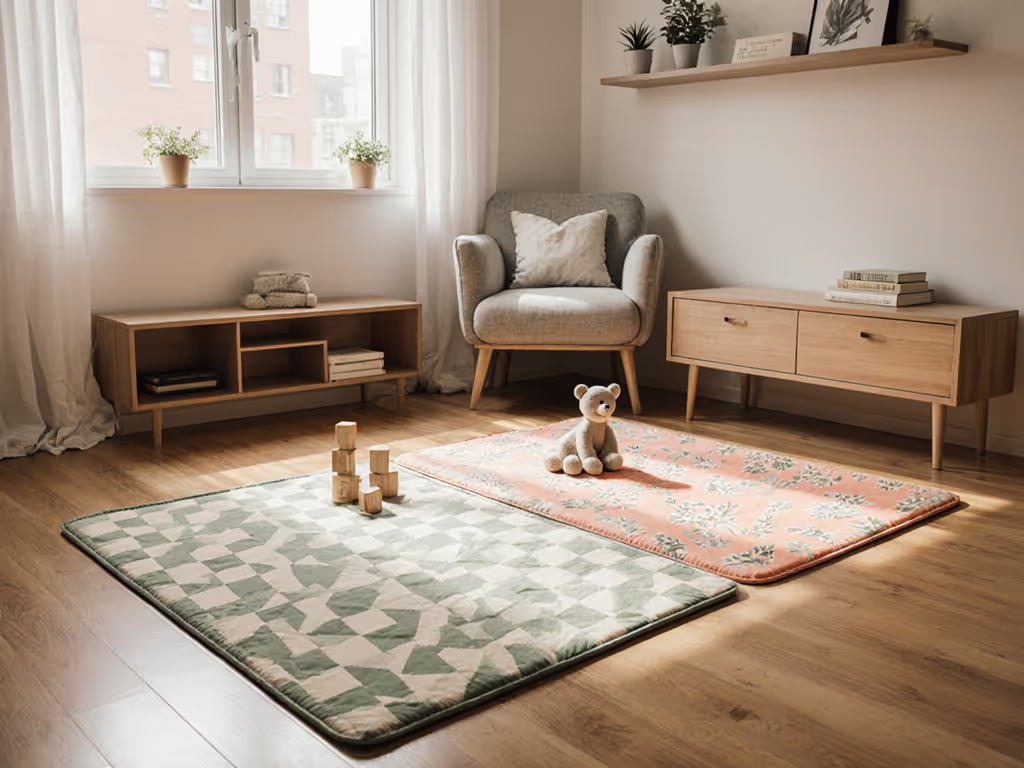
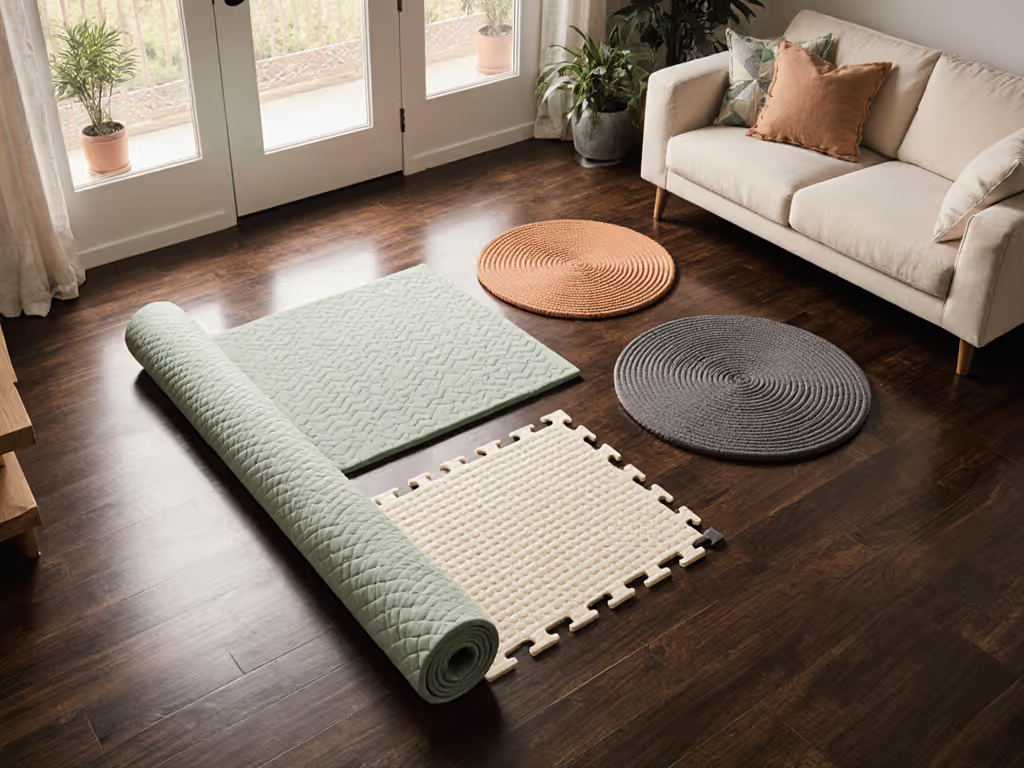
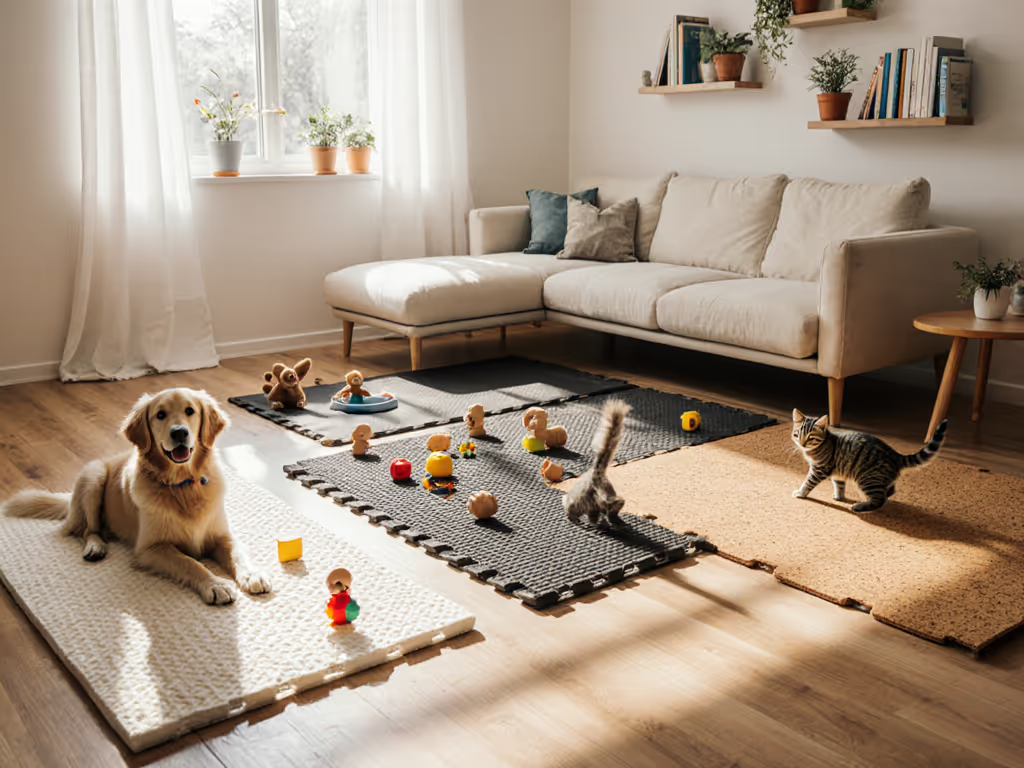
Pet-friendly play mat comparison starts with one core question: which surfaces are truly safe and durable for both pets and babies sharing the same floor space? A good multi-species play mat balances materials safety, pet-claw resistance, traction, and easy cleaning without turning your living room into a primary-color daycare.
Evaluate baby play mats that also stand up to pets, using materials, testing, and real-life trade-offs as the lens, not marketing. Get data-backed durability picks by material in our pet-friendly materials ranked comparison.
Quick answer: What makes a mat genuinely pet- and baby-friendly?
If you skim nothing else, look for:
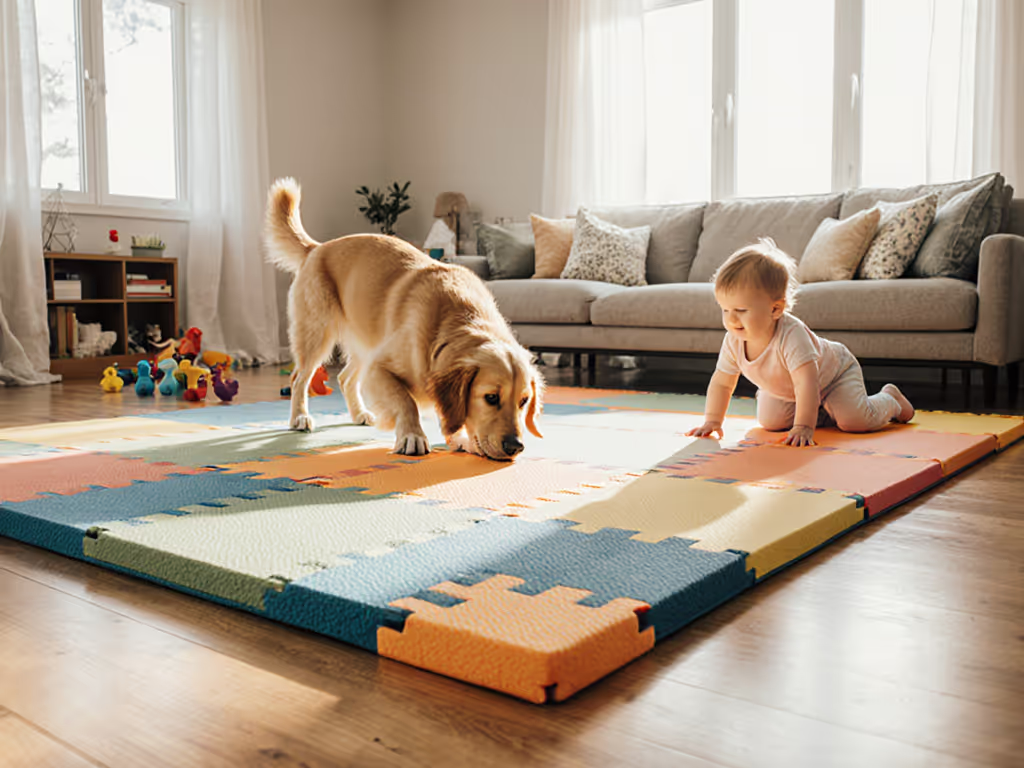
- One-piece or panel construction, not loose puzzle tiles, for fewer chewable edges and trapped crumbs.
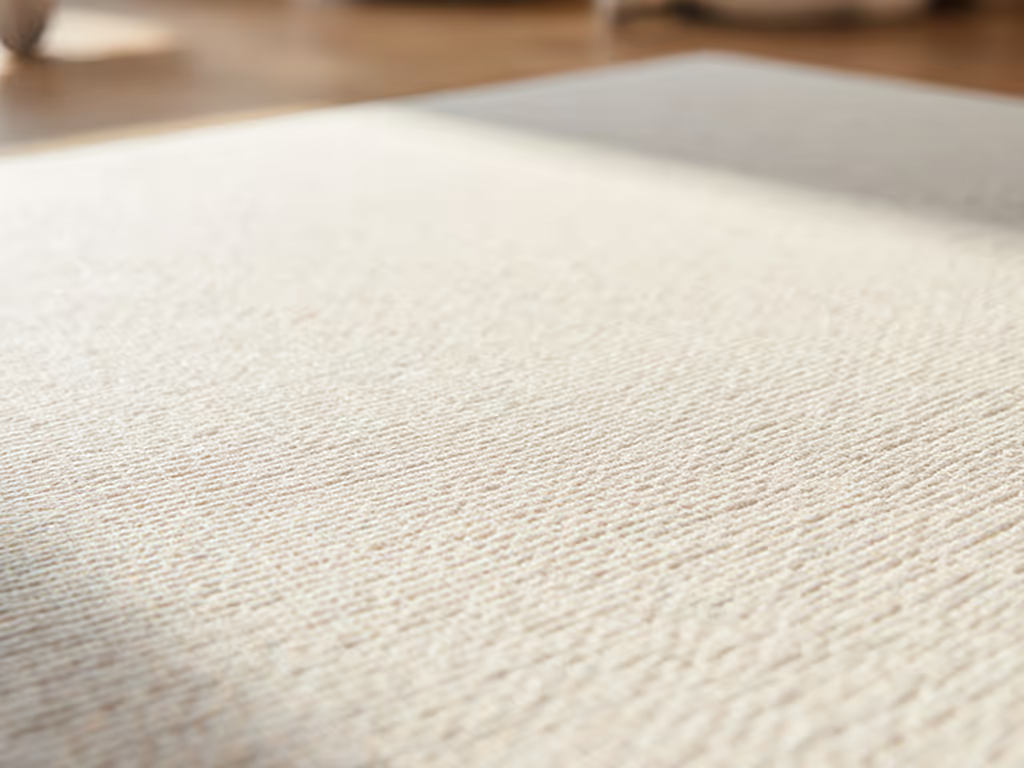
- Closed, wipeable surface that is truly water-resistant (not just "water-repellent") to handle both spit-up and pet accidents.[10]
- Moderate thickness (around 0.4–0.6 in / 10–15 mm) for fall protection without being so squishy that babies sink during tummy time (expert consensus from pediatric PTs; general guidance, not medical advice).
- Named base material (e.g., TPU, TPE, natural rubber, cork + foam core) and clear "free from" statements (ideally backed by third-party testing).
- Pet-claw resistant play mat performance: surface doesn't shred when a dog launches or a cat hits the zoomies.[10]
- Odor-resistant play surface: minimal initial smell, no lingering "plastic" or "rubber" odor after a few days of airing out.[10]
- Non-slip backing that doesn't require permanent adhesive or leave residue on hardwood.
Unknowns stay labeled. If the brand can't tell you what it's made of or show test results, treat that as a data point.
FAQ 1: What materials work best for a dual-species play mat?
Q: Foam, rubber, vinyl...which is safest and most durable with pets?
A pet-focused mat guide compares common materials like foam, rubber, and vinyl and emphasizes that they differ significantly in durability, scratch resistance, and ease of cleaning.[10] Here's a simplified comparison, combining that with broader materials-safety practice:
| Material category | Typical pros | Typical cons | Pet & baby fit (high level) |
|---|
| Low-cost EVA foam tiles | Very cushioned, cheap, easy to size | Tiles separate, edges curl, seams trap mess, surface dents/scratches easily; often minimal transparency | Good for short-term use; weak for multi-species homes and long-term durability[10] |
| Higher-density foam (EVA/TPE) in one-piece mats | Seamless, more durable than cheap tiles, lightweight | Still foam-based; may compress under furniture; quality varies | Decent middle ground; check disclosures and surface hardness[10] |
| TPU/TPE coated mats (foam core) | Smooth, wipeable surface, often decor-friendly prints, cushioned but firm | Quality and chemical profile vary by brand; can scuff with heavy claws | Strong candidate for dual-species if coating is robust and well-tested |
| Natural rubber | Excellent grip, heavy so it stays put, claw-resistant, good shock absorption | Has a distinct rubber smell at first; may not work for latex-sensitive households | Mechanically great for pets & toddlers; material disclosures essential[10] |
| Vinyl / PVC mats | Very durable and waterproof, strong scratch resistance | Historically associated with phthalates & certain additives; requires careful vetting | Can work well if a brand provides modern, verified non-phthalate formulas |
| Cork + backing (rubber or foam) | Warm underfoot, naturally grippy, looks adult | Joints and edges can chip under aggressive pet claws; not fully wipe-and-go | Best for lower-mess, lower-zoomie households[10] |
How I read this as a parent who reads safety data sheets:
- For a multi-species play mat, I put one-piece TPU/TPE-coated foam and natural rubber at the top of the list for balancing durability, impact protection, and cleanability.
- I treat very cheap EVA tiles as short-term or backup options, not long-term main stages (especially with pets).[10]
- I only consider PVC/vinyl if the brand is unusually transparent about additives and testing. For side-by-side foam performance, see our EVA vs TPU comparison covering safety, durability, and cleaning.
Q: What's the difference between "soft foam" and "supportive" for motor skills?
In basic materials terms:
- Soft & sinky foam lets you press your hand in and see a deep imprint that rebounds slowly.
- Supportive foam still cushions falls, but your hand doesn't sink as far; it rebounds quickly.
From a development standpoint (based on common PT guidance), mats that are too squishy can make it harder for babies to push up, roll, and eventually pull to stand because they don't get consistent feedback from the floor. For a shared baby + pet zone, aim for:
- Enough cushion to buffer falls and tossed toys.
- Enough firmness that a baby's hand or knee doesn't disappear into the surface.
If you can, physically test: kneel with your body weight on one knee and shift side-to-side. If you feel wobbly or unstable, your baby likely will too.
FAQ 2: How do I avoid sketchy chemicals and off-gassing?
Q: Which red flags should I watch for in product listings?
Because mat listings can be vague, I look for specific, named statements, not loose language. Red flags:
- Only saying "non-toxic" or "eco-friendly" with no supporting detail.
- No mention of material at all ("Premium proprietary foam!") or only using branding names.
- Very strong chemical or "new car" smell reports in reviews.
- No test reports or certifications available on request.
Better signals:
- Clear base material (e.g., "expanded polyethylene foam core with TPU top layer").
- Named standards such as CPSIA, Prop 65, OEKO-TEX Standard 100, or Greenguard Gold for related categories. These do not make a mat perfect, but they show someone outside the brand has looked at emissions or substances.
- Explicit "free from" claims: no added flame retardants, no phthalates, no heavy metals intentionally added, ideally with a testing date and lab name.
Transparency is a feature, not a vibe or hint. Cross-check claims with our non-toxic safety checklist to verify certifications and substance disclosures.
If a brand responds to questions with concrete details (materials, dates, test types) and is comfortable sending partial lab reports, I treat that as a positive signal even if the mat is not flawless.
Q: How much off-gassing is normal? What about smell?
Reality check:
- Many foam and rubber products will have a mild initial odor when first unboxed.
- The key differences are how strong it is, what it smells like, and how quickly it dissipates in a well-ventilated room.
Practical approach I use at home:
- Unbox in a ventilated space and note the smell in a simple log for a few days.
- If the odor is sharp, plasticky, or gives anyone a headache and hasn't improved within ~72 hours of airing out, I treat that as a strong return signal.
- I only move a mat into the main nursery or living room once odors are faint or gone.
This isn't about perfection; it's about having a repeatable way to judge mats beyond "smells new."
FAQ 3: What makes a mat realistically pet-claw resistant?
Q: How do I know if a mat will survive my dog or cat?
The materials comparison from a pet-mat retailer underscores that denser foams, rubber, and quality-coated surfaces tend to stand up better to regular pet traffic than basic foam tiles.[10] Translate that into a checklist:
- Surface hardness: Smooth, slightly firm top layers (TPU/TPE, rubber, vinyl) resist nail indentations better than velvety or textured foams.
- Construction: One-piece mats or large folding panels have fewer exposed edges to catch claws or be chewed.[10]
- Weight: Heavier mats shift less when a large dog sprints across them.
- Pet behavior: For known chewers or scratchers, avoid exposed foam edges and detachable puzzle pieces.
Home test once the mat arrives:
- Gently drag your own nails or a blunt key across a hidden corner.
- You're looking for surface scuffs that don't gouge deeply. Light marking is ok; flaking or peeling is not.
Q: Can my pet's nails puncture the mat and make it unsafe for baby?
Potential issues when claw damage happens:
- Exposed foam core that flakes into small pieces.
- Tear lines that expand with play, creating a trip hazard.
If you see tears deep enough to expose inner foam, I recommend:
- Retiring that section from baby use, especially for mouthing-age infants.
- Repurposing damaged mats for adult workouts or under pet crates, if safe.
With high-energy or large-breed dogs, it can be worth prioritizing:
- Natural rubber or high-quality coated mats.
- Placing the mat slightly away from main running lanes to reduce impact.
FAQ 4: How do I handle all the mess (pet and baby) without ruining the mat?
Q: What cleaning pattern works best for a dual-species play mat?
A pet-mat comparison resource emphasizes prioritizing materials that are water-resistant, stain-resistant, and easy to wipe down for long-term performance.[10] For multi-species use, that's even more critical.
A practical tiered routine:
- Daily/after play:
- Quick vacuum (with soft brush) or cordless stick vac on low to remove hair and crumbs.
- Lint roller for persistent pet hair.
- Spot messes (spit-up, pet accidents, puree):
- Blot liquids immediately with an absorbent cloth.
- Clean with a mild, diluted soap and water solution on a soft cloth.
- Avoid soaking seams or folded edges.
- Weekly deeper clean:
- Wipe the entire surface with a mild soap solution, then a clean damp cloth.
- Let it dry fully before refolding or rolling to minimize mildew risk.
Always check the brand's care instructions before using: For material-specific do's and don'ts, follow our complete cleaning guide.
- Disinfecting wipes (some can degrade coatings over time).
- Steam cleaners (can deform foam or damage adhesives).
- Harsh solvents (can strip top layers or increase off-gassing).
Q: How do I keep the mat from absorbing odors?
Odor control is partly materials, partly maintenance:
- Closed, non-porous surfaces resist lingering odors better than fabric-topped or open-cell foam designs.[10]
- Prompt clean-up of pet accidents and food spills matters more than any "odor-proof" claim.
If odor starts to build up:
- Clean thoroughly as above.
- Air the mat out unfolded in a ventilated room.
- If smells persist even after repeated cleanings and good drying, that's a sign the material itself may be holding odors, which I consider a quality issue.
FAQ 5: How do I pick the right size and thickness for a small apartment?
Q: What footprint is "big enough" for both baby and pet?
For most urban living rooms, sweet spots look like: If you’re tight on space, use our play mat size guide to choose dimensions that actually fit small rooms and travel setups.
- 4' × 6': Compact zone for newborn–early crawler, fits in many small apartments.
- 5' × 7' or 6' × 8': Better for shared baby + pet play and early toddler movement.
Think in use-cases rather than square footage:
- A tummy time zone where you can fully lie down next to baby.
- Room for a baby gym + a dog bed without anyone being on bare floor.
- Space for a toddler to topple sideways without immediately hitting furniture legs.
In multi-use rooms, I like mats you can:
- Fold in half for weekday quick use.
- Fully expand on weekends when you want a larger floor-play zone.
Q: What thickness balances falls, motor skills, and pet traffic?
Putting together typical development guidance and durability experience:
- Around 0.4–0.6 inches (10–15 mm) tends to:
- Soften falls and dropped toys.
- Still feel firm enough under hands and feet.
- Avoid dramatic compression dents from pet paws or light furniture.
Thicker, ultra-plush mats can be great for lounging but may:
- Make early crawling and pulling-to-stand slightly harder.
- Show deeper paw impressions from heavier dogs.
When in doubt, choose supportive over pillowy, especially for a surface shared with pets.
FAQ 6: How do I keep the mat stable on hardwood or over rugs?
Q: Will the mat slip when my baby pulls to stand, or when my dog zooms by?
Slip risk depends on both the mat's underside and your floor type:
- On hardwood/tile:
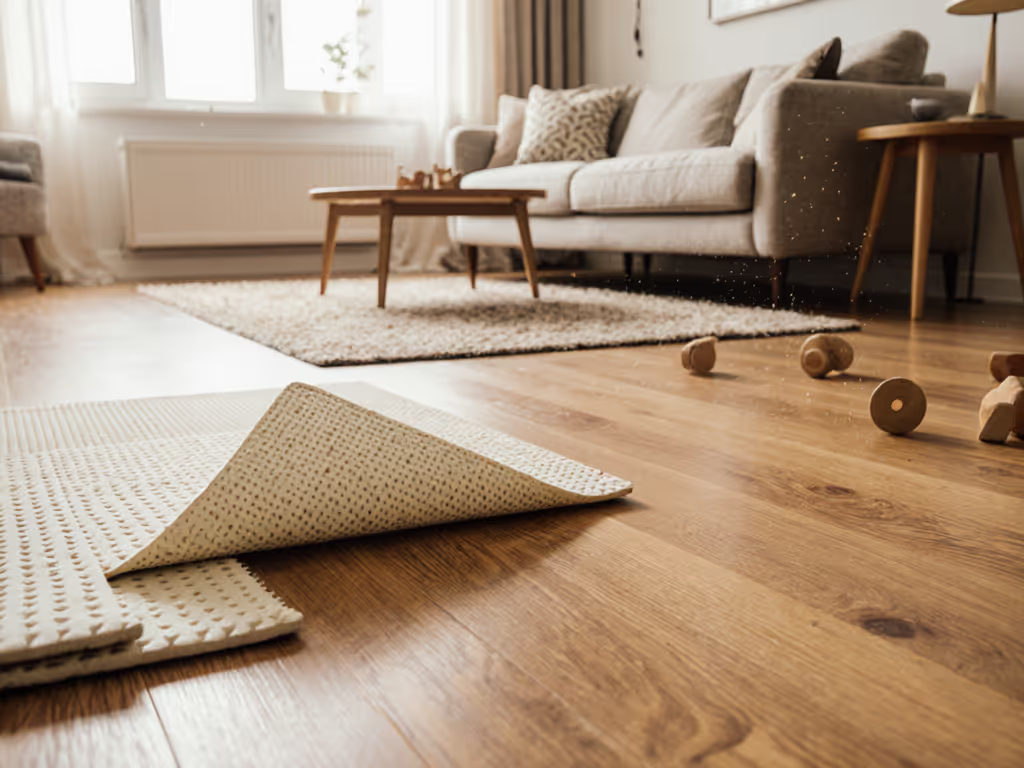
- Look for textured or rubberized backings.
- Heavier natural rubber or dense one-piece mats tend to stay put better than featherlight tiles.[10]
- On low-pile rugs:
- Many mats do fine without extra help.
- Expect a bit more give but not skating.
- On high-pile or fluffy rugs:
- Mats can feel wobbly as the rug compresses.
- In that case, consider moving the mat directly onto the hard floor when possible.
Avoid permanent adhesives where you can. If extra grip is needed, look for:
- Non-adhesive rug pads rated safe for your flooring.
- Pads that are slightly smaller than the mat, so edges lie flat.
Q: Is this compatible with radiant heat floors and robot vacuums?
Because formulations vary widely:
- Check mat instructions for maximum temperature tolerance.
- For radiant heat, most brands will specify whether their foam or rubber can sit directly over heated floors.
- Robot vacuums can:
- Bump and slightly shift very light mats.
- Catch corners of folding mats if the edge is not flat.
In my own home, I set the robot vacuum to avoid the mat zone or run it when the mat is folded and stored.
FAQ 7: How do I judge long-term value (not just upfront price)?
Q: When is a premium mat "worth it" vs a cheap backup?
To cut through sticker shock, I like to translate cost into price per month of realistic use:
- Estimate conservative use: for many families, a good mat sees daily action from newborn through at least age 3, plus adult workouts or reading time.
- That's ~36–48 months.
Then ask:
- Does this mat have the durability markers (materials, construction, surface hardness) to plausibly last that long with pets?[10]
- Is it neutral and decor-friendly enough that you won't resent looking at it daily?
- Can it pivot roles later (e.g., under a play table, in a home office, as a yoga surface)?
A more expensive mat that genuinely works across:
- Multiple stages (tummy time → crawling → toddler roughhousing → family yoga), and
- Multiple species (baby, older kid, pet)
...often ends up cheaper per month of use than a cheaper mat you replace twice or banish to a closet.
Q: What about warranties and returns?
For bulky, heavy items, I look for:
- 30+ day trial or return window.
- Clear policies on defects like peeling, delamination, or severe compression.
- Responsive customer support willing to discuss materials and testing.
If a brand is vague on returns and unresponsive to safety questions, I factor that heavily into my comparison.
Where to go from here: your multi-species mat checklist
To turn this pet-friendly play mat comparison into action, here's a short checklist you can copy into your notes app before your next search:
-
Floor + space
- Floor type (hardwood, tile, low/high-pile rug, radiant heat?).
- Minimum size that lets you lie next to baby and fit your pet comfortably.
-
Material & construction
- Named base materials (foam type, rubber, coating).
- One-piece or large panels instead of loose tiles for most dual-species homes.[10]
-
Durability for pets
- Surface hardness vs your pet's nail size and energy level.
- Plan for a quick at-home scratch test on arrival.
-
Safety & transparency
- Are there clear "free from" statements and any third-party certifications?
- Can you request a recent test report or at least a summary with dates and lab names?
-
Off-gassing & odor
- Quick smell log for the first few days.
- Don't be shy about returning mats that remain strongly odorous after airing.
-
Cleaning & maintenance
- Confirm allowed cleaners and tools (vacuum, wipes, steam, etc.).
- Plan a simple routine: daily crumb/hair removal + weekly wipe-down.[10]
-
Lifecycle value
- Rough price-per-month based on a 3–4 year horizon.
- Future roles after baby (play corner, workout zone, reading nook).
From there, you can refine your shortlist based on what your household needs most: maximum pet-claw resistance, minimal odor, fold-flat storage, or the quietest landing zone for apartment living. As long as you keep materials, testing, and day-to-day maintenance in view, and keep those unknowns labeled, you'll be choosing with data, not just decor photos.