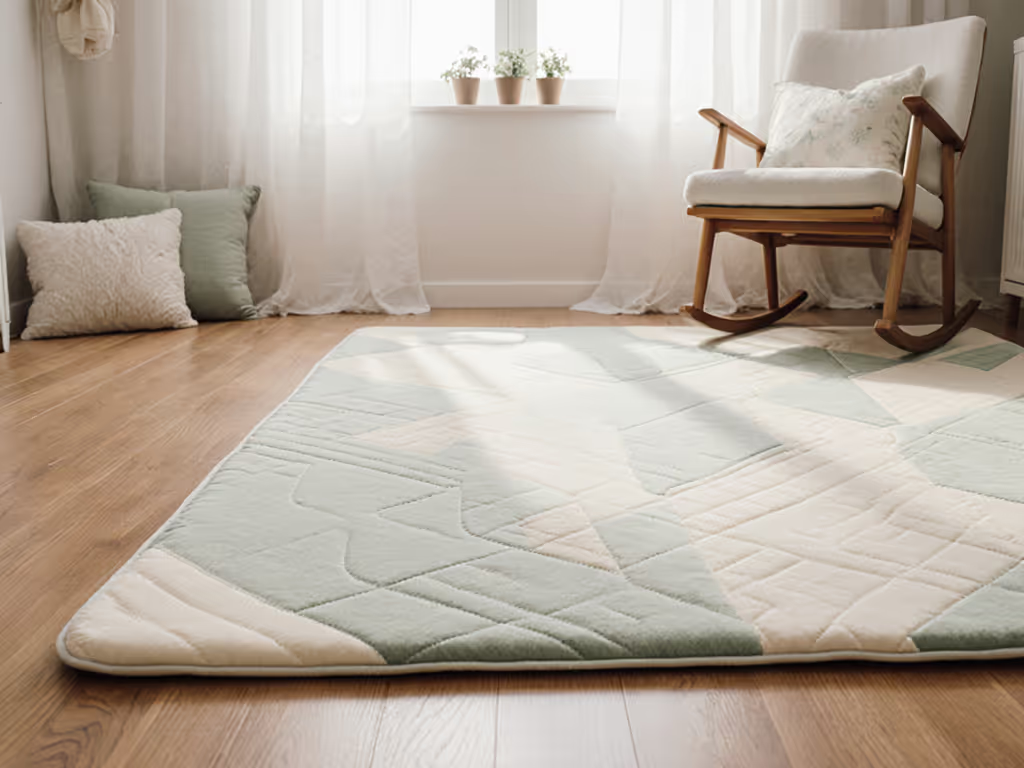
Colic-Soothing Play Mat Design For Calm, Stable Comfort
21st May•11 min read
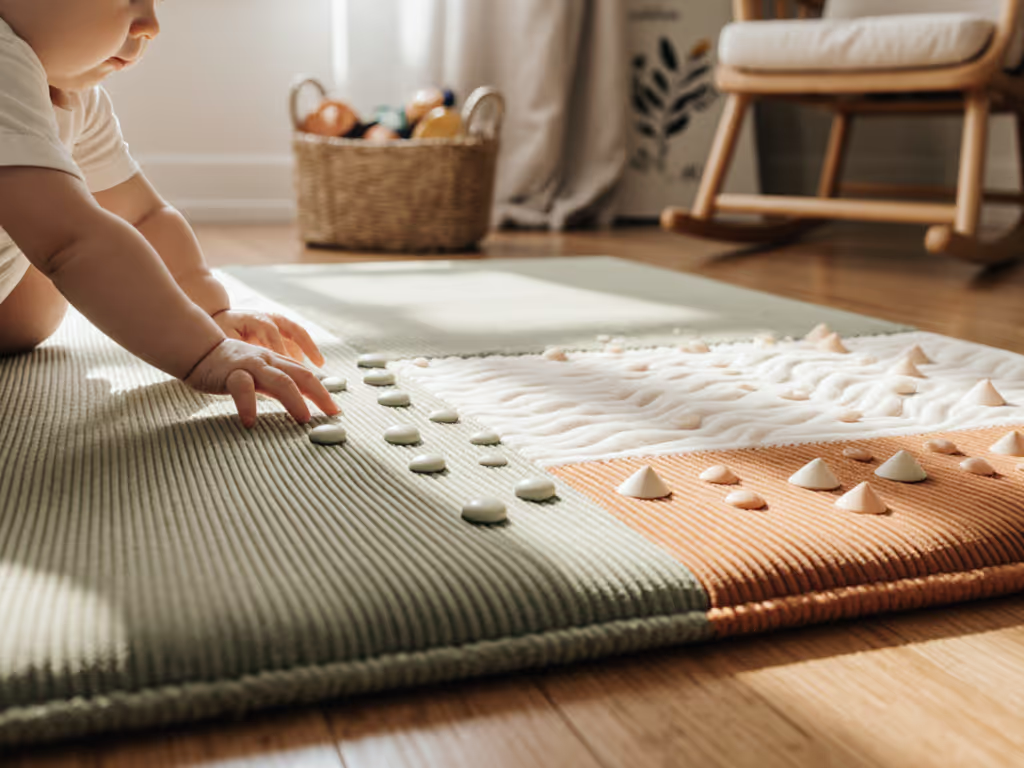
When you place your infant on a neural pathway play mat (one with varied, intentional textures), you're not simply providing a cushioned surface. You're offering a structured learning environment where sensory input directly shapes developing brain architecture. For a research-backed overview, see our texture neuroscience in infants. This is why texture selection matters far more than most parents realize, and why transparency about what those textures are made from is essential.
Every time your baby's feet or hands meet a textured surface, nerve endings send signals to the brain. These signals (about pressure, temperature, and pattern) activate neural pathways that strengthen with repetition. The more varied the texture, the more diverse the neural connections that form. Research on sensory development shows that tactile neural development in the first 24 months builds the scaffold for motor control, balance, and cognitive processing.
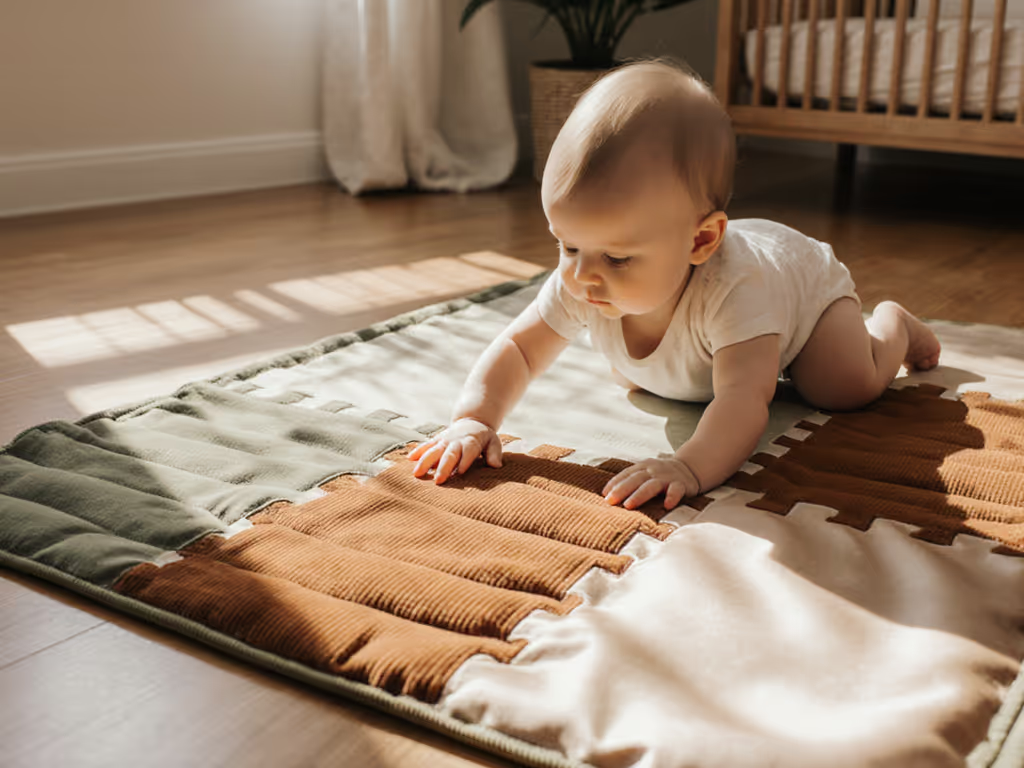
In early infancy, this tactile input supports what neurologists call "somatosensory mapping" (essentially, your baby's brain is creating a detailed internal map of the body in space). When tummy-time mats feature multiple textures, they accelerate this mapping. A soft foam section followed by a slightly textured, firmer zone trains the nervous system to adjust muscle tone and proprioception (body awareness) in real-time. The result is measurable: infants with regular exposure to texture variety demonstrate earlier motor milestones and improved balance control compared to those confined to uniformly soft surfaces.[1]
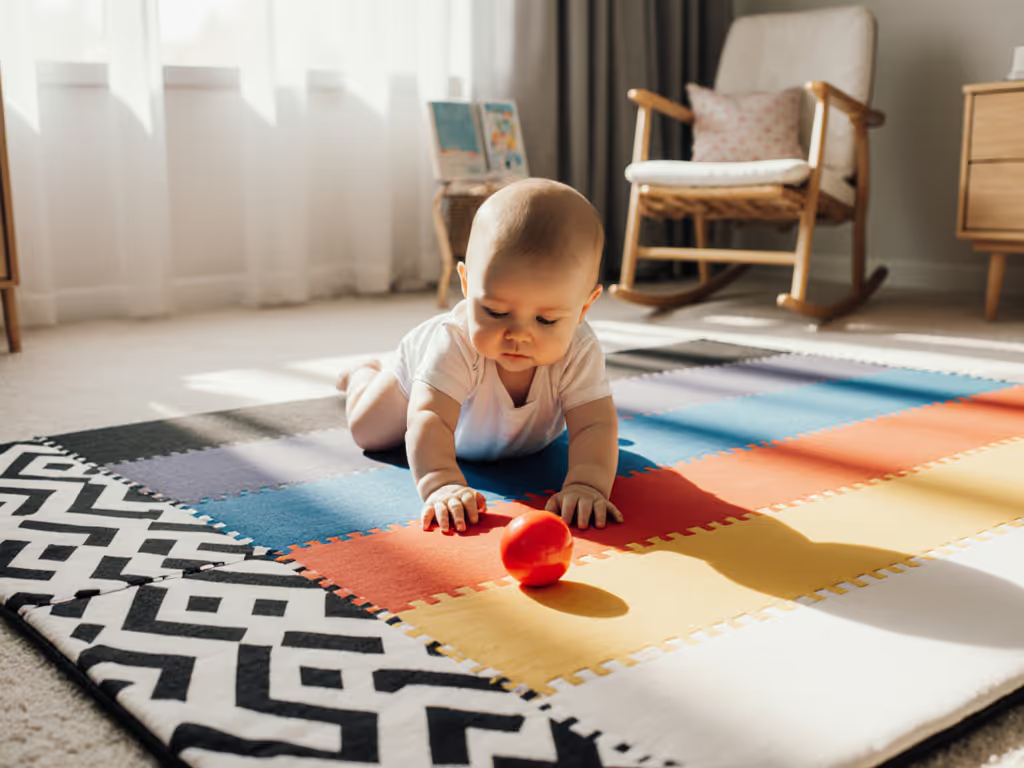
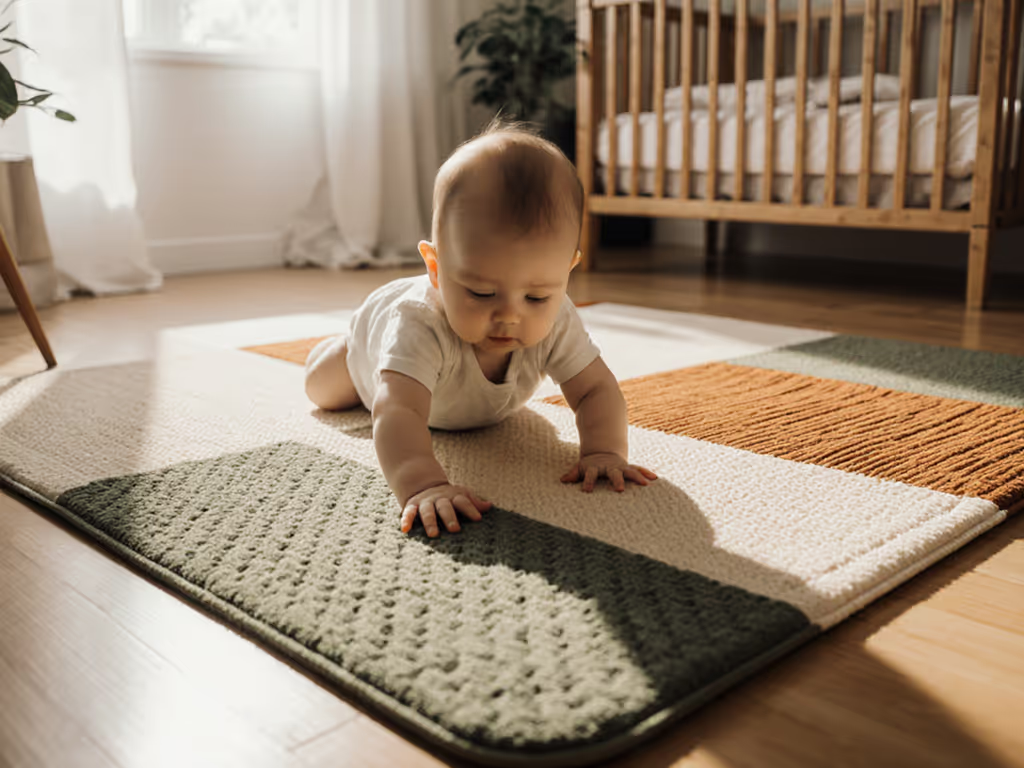
Many parents assume "softer is safer." That assumption misses the developmental point. A mat that is uniformly plush provides comfort but limited sensory input. A texture-complexity play mat design (combining soft, medium, and firmer zones) creates a graduated challenge. Your baby's developing nervous system learns to modulate its response: when does it need to grip harder? When can muscles relax? This dynamic adjustment builds the neural circuits underlying fine and gross motor skills.
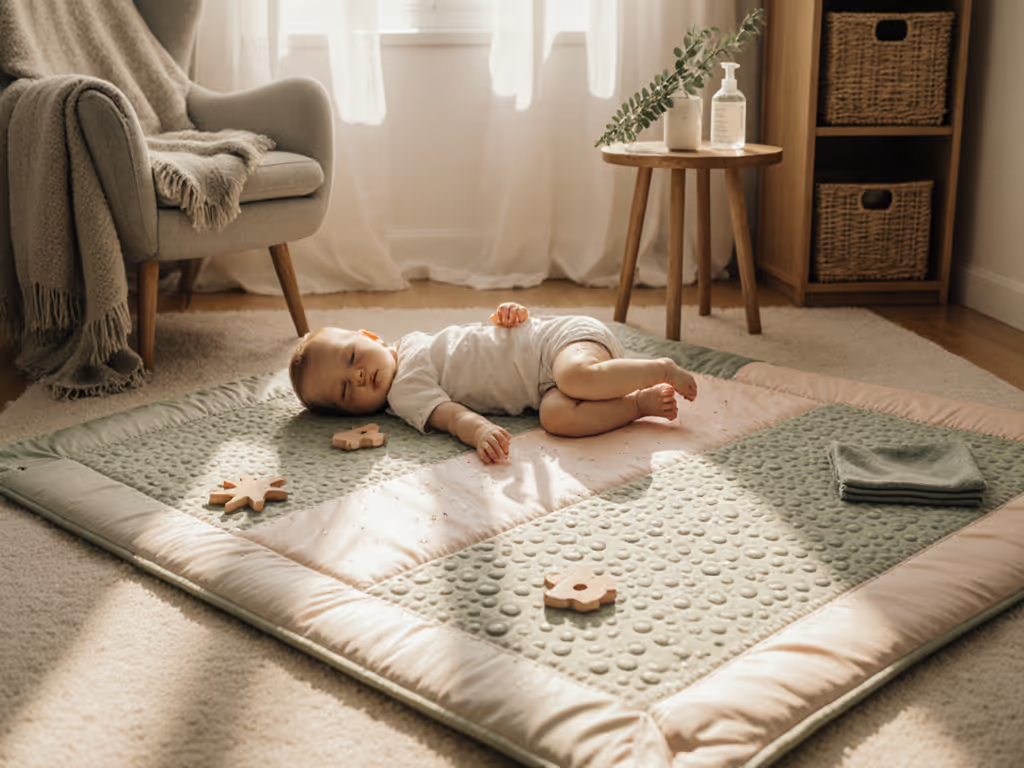
According to developmental research, mats engineered with surfaces that mimic natural terrain (grass textures, subtle pebble-like bumps, or shell-pattern embossing) provide an even richer signal landscape.[1] Why? Because your baby's ancient neural systems recognize and respond more robustly to patterns encountered in nature. It's not sentimentality; it's neurobiology.
However, complexity without safety is reckless. This is where infant cognitive texture response research and material transparency intersect: you need to know not only what textures are present, but what they're made of.
Here's where many product descriptions go vague. A mat might advertise "memory foam" or "premium foam" without specifying the chemical composition. After the first week in your nursery, you might notice that new smell (the one I mistook for cleanliness until I learned it was off-gassing). VOCs (volatile organic compounds), flame retardants, and phthalates in certain foam formulations don't announce themselves. They just smell like "new."
When evaluating a textured mat, demand specificity:
If a seller cannot provide a materials list, or worse, lists "foam" without qualification, that's a yellow flag. A credible manufacturer will have a safety data sheet available. Ask for it. Transparency is a feature, not a vibe or hint. If they hesitate, move on. For a deeper breakdown of foam, rubber, and fabric options, review our material safety guide.
Third-party certifications matter here. Look for:
Don't accept a brand's claim that they meet these standards. Show the test report. Use our non-toxic play mat safety checklist to verify certifications step by step. That phrase might sound obsessive, but it's the difference between marketing and proof.
Not all textures are equal in their developmental impact. Research on sensory texture mapping shows that:
Soft, slightly yielding zones (molded or quilted patterns) support early tummy time and head-control work. They signal safety and reduce startle responses.
Medium-firm, bumpy surfaces (pebble or bubble textures) activate proprioceptive nerves during crawling phases and encourage muscle engagement. These zones demand a bit more effort, building leg and core strength.[1]
Firmer, textured grids (geometric or fine-lined patterns) engage fine motor exploration when babies begin grasping and hand-eye coordination tasks. The slight resistance builds finger strength and dexterity.
Mats designed with layered texture zones rather than uniform texture compress these developmental stages into a single product, extending its utility from newborn (supported tummy time) through toddler (walking and balancing).
Neural plasticity (the brain's ability to rewire itself) peaks in the first two years, but remains significant through age five. The tactile pathways built during infancy establish templates for lifelong motor control and sensory processing. Your three-month-old's texture exploration isn't just about tummy time comfort; it's creating the neural architecture your two-year-old will rely on to balance while pulling to stand, and your kindergartener will use for pencil grip and playground coordination.
This lifespan is why investing in a multi-textured mat that grows with your child (rather than replacing it every six months) makes both developmental and practical sense. A mat that works from newborn through toddler isn't just durable; it's neurologically coherent.
When you're narrowing your choice, ask these data-driven questions:
Brands that answer thoroughly aren't trying to sell you; they're helping you make an informed choice. That's the kind of partner you want.
Choosing a textured play mat isn't just about picking the softest option or the prettiest design. It's about understanding that the surface beneath your baby is a developmental tool, one whose sensory input shapes neural pathways that persist for years. When you know the materials are tested, the textures are intentional, and the claims are backed by evidence, you're not just buying safety; you're investing in your child's sensory architecture.
Seek out brands that publish their safety testing openly, respond promptly to materials questions, and design texture zones with developmental intent. Read parent reviews that mention specific floor types and cleaning outcomes (not just aesthetics). If you're comparing options, create a simple comparison table: materials, certifications, texture zones, and price-per-month across the usable lifespan. This transforms anxiety into clarity.
Your infant's developing brain is primed to learn from every texture it encounters. Make that learning intentional, transparent, and testable.