Colic-Soothing Play Mat Design For Calm, Stable Comfort
21st May•11 min read
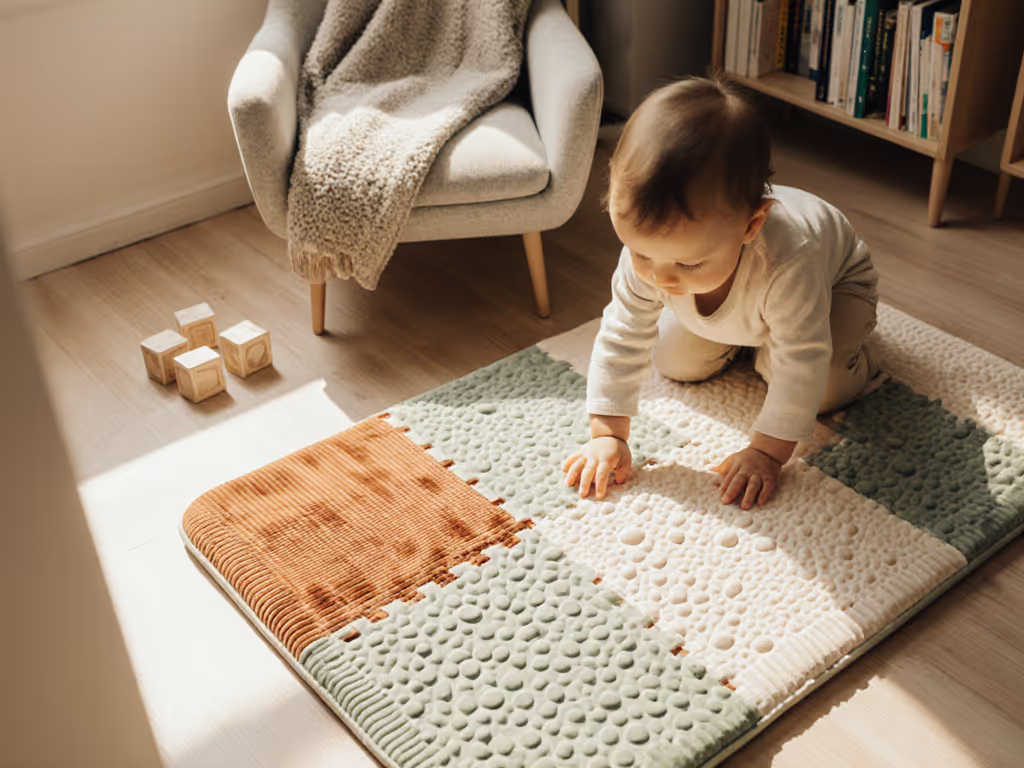
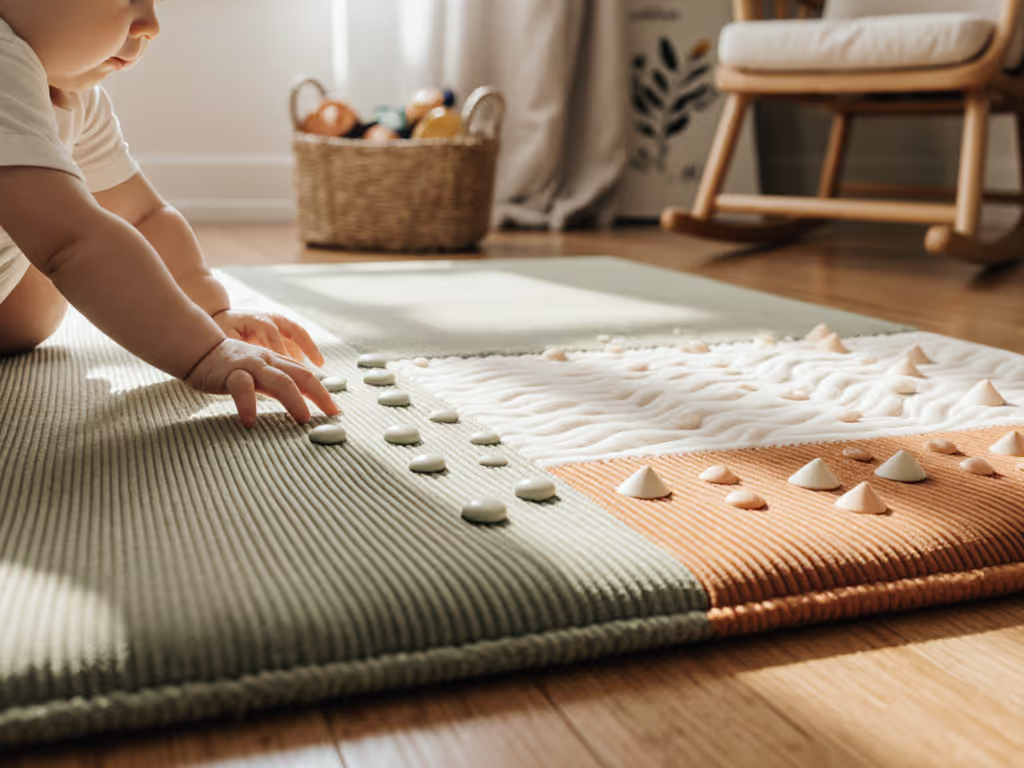
As parents seek to understand the connection between play mat selection and infant brain development, the emerging field of texture neuroscience offers compelling insights. What many don't realize is that every touch, grasp, and exploration on a play mat is not just casual interaction, it is actively wiring their little one's brain. Our nursery smelled 'new' for days when my baby was born, until I learned that 'new' can mean VOCs, and also that texture variety matters more than I'd imagined. Let's unpack the science behind why texture choices matter for developing brains. For a deeper dive into how specific textures shape tactile pathways, see our sensory texture play mat guide.
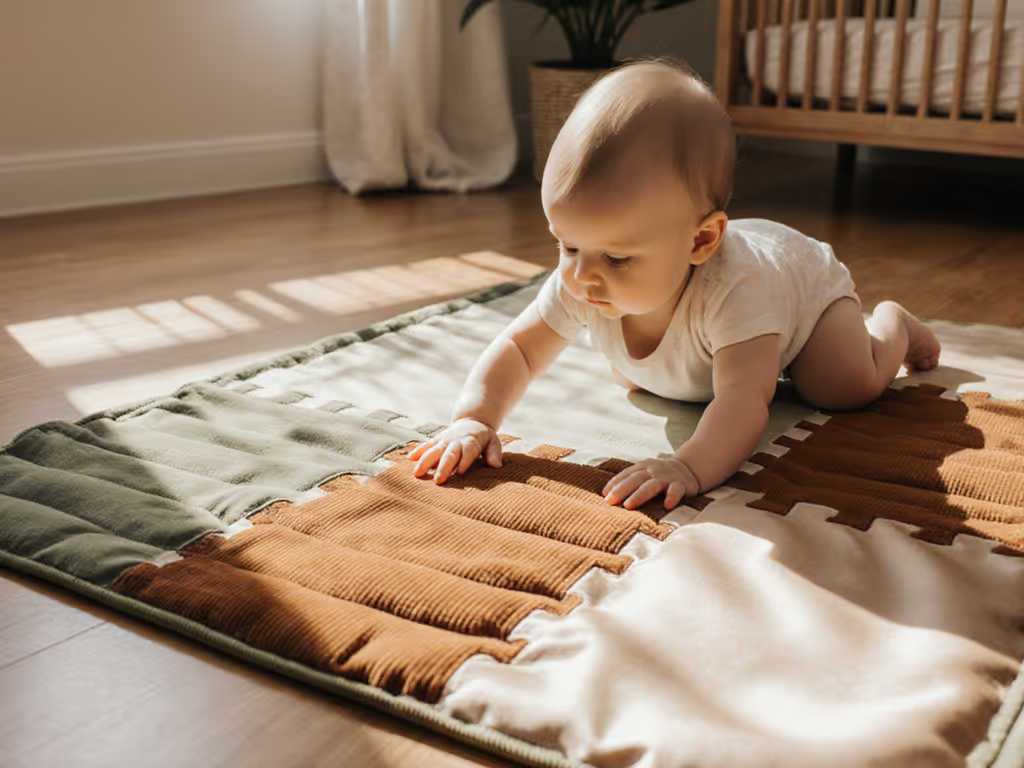
Texture neuroscience examines how our brains process tactile information through specialized neural pathways. For infants, this isn't just about touch, it is fundamental wiring for their entire sensory system. When your baby presses palms against different play mat surfaces, they're activating specific somatosensory cortex regions responsible for sensory texture mapping.
Research shows infants as young as 3 months demonstrate measurable brain responses to different tactile stimuli. A 2018 Cornell study observing neural development in mice found that early sensory stimulation is critical for establishing functional networks in the brain, and that without proper texture exposure during developmental windows, subjects later showed an impaired ability to distinguish textures by touch.
Transparency is a feature, not a vibe or hint. This principle guides my approach to understanding how texture choices impact development.
Consider that infants' hands and feet produce significant activation in the corresponding areas of the contralateral primary somatosensory cortex when touched (a finding confirmed through infant brain imaging studies). This means that the simple act of lying on a textured play mat provides crucial neural pathway stimulation that helps build the brain's "map" of bodily sensations.
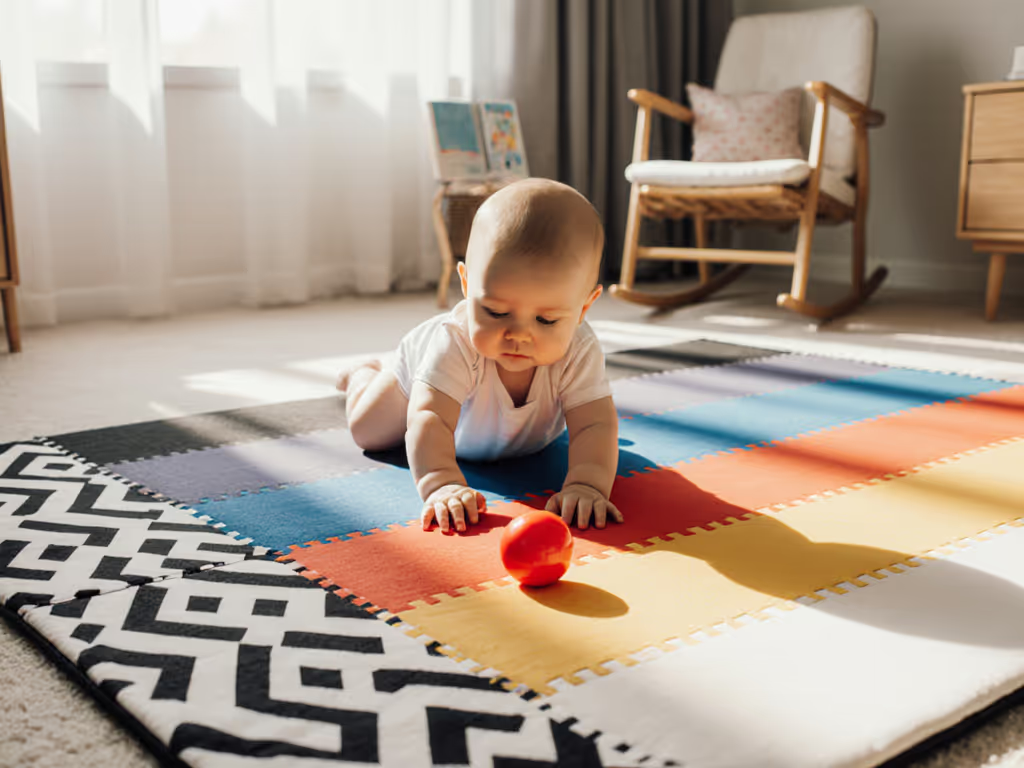
Studies examining infant visual and tactile preferences reveal fascinating developmental patterns. For pattern and color choices that match each stage of visual maturation, explore our visual development play mat guide. Research published in PLOS demonstrated that by 9 months, infants show visual preferences for natural versus synthetic textures, a preference modulated by contrast polarity. This suggests developing sensitivity to the statistical properties of natural textures, which likely extends to tactile experiences as well.
The brain's plasticity during infancy creates a unique opportunity for tactile brain development. Brain imaging studies have documented how infants as young as 6 months process different visual categories, with reliable responses to faces emerging first (4-6 months), followed by limbs and places around 6-8 months.
This timeline matters for play mat selection because:
Play mats provide controlled texture exposure during crucial developmental windows. When designed thoughtfully, they offer graduated texture experiences that align with developmental stages.
| Developmental Stage | Texture Requirements | Brain Development Focus |
|---|---|---|
| Newborn (0-3 months) | High-contrast visual patterns, firm surfaces | Basic neural pathway formation |
| Young Infant (3-6 months) | Gentle texture variations, crinkly elements | Sensory discrimination development |
| Mobility (6-12 months) | Varied textures, secure non-slip surfaces | Spatial awareness and motor planning |
| Toddler (12-24 months) | Complex textures, educational patterns | Advanced cognitive processing |

Texture variety matters, but not at the expense of safety, especially when babies mouth play surfaces. Many parents worry about VOCs (volatile organic compounds) and off-gassing from synthetic play mats. While research on direct VOC impacts to developing brains remains limited, established safety standards exist for good reason. Use this non-toxic play mat safety checklist to evaluate materials, certifications, and common red flags.
Look for these verification markers that provide actual transparency:
I've found that mats with full material disclosures (even the pricier ones) often prove more trustworthy long-term. When I started requesting test reports and tracking off-gassing with a simple home log, not only did mysterious headaches disappear, but I gained confidence in the products I brought into our home. That peace of mind mattered.
For urban parents in compact living spaces, the challenge is balancing texture variety with minimalism. See our play mat size guide for small-space layouts, travel-friendly picks, and modular setups. Consider these space-smart strategies:
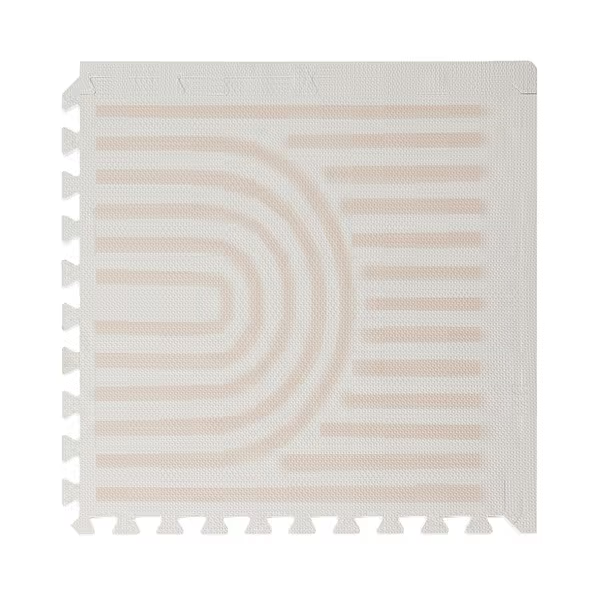
Materials matter for both brain development and practical living. EVA foam (common in many play mats) offers cushioning but requires careful scrutiny of off-gassing claims. Natural rubber provides firmness but can trigger latex allergies. Cotton fabrics breathe well but may absorb odors more readily.
Don't take marketing claims at face value. Instead, seek these concrete verification sources:
When manufacturers provide these details readily, they're practicing the transparency that should be standard. If a company hesitates to share material specifics, consider that a red flag, especially when your baby's developing brain is involved.
Understanding texture neuroscience transforms how we view play mats, from simple floor coverings to developmental tools that shape neural pathways. The right texture choices provide essential neural pathway stimulation during critical windows when your baby's brain is most receptive to sensory input.
As you evaluate options, remember that transparency isn't just nice to have, it is a feature that gives you the information needed to make confident choices. When I learned that "new smell" meant VOCs rather than just "new," it changed how I approach all baby products. Look for brands that treat materials transparency as essential infrastructure, not an optional add-on.
Your play mat selection represents an opportunity to support your baby's developing brain while creating a space that works for your entire household. For a step-by-step overview of designs that evolve with each stage, read our space-smart developmental play mat guide. By understanding the connection between texture variety and cognitive development, you can make choices that serve both developmental needs and practical living constraints.
Transparency is a feature. When you choose play surfaces with verified safety and intentional texture design, you're not just buying a mat, you're investing in your baby's neurological foundation.