Pet-Friendly Play Mat Comparison: Safest Picks for Pets & Babies
25th May•14 min read
Choosing a hardwood floor play mat comparison cuts through aesthetics to a harder question: will it stay put, does the material actually say what it claims, and can you verify the safety story? Too many mats slide across hardwood during a baby's weight shift or when a toddler pulls to stand, and generic "non-toxic" labels obscure real trade-offs in composition, off-gassing, and durability. This guide unpacks the mechanics of non-slip matting on hardwood, walks you through materials claims with plain-language certifications, and surfaces the data behind finalists that hold up under real-home use.
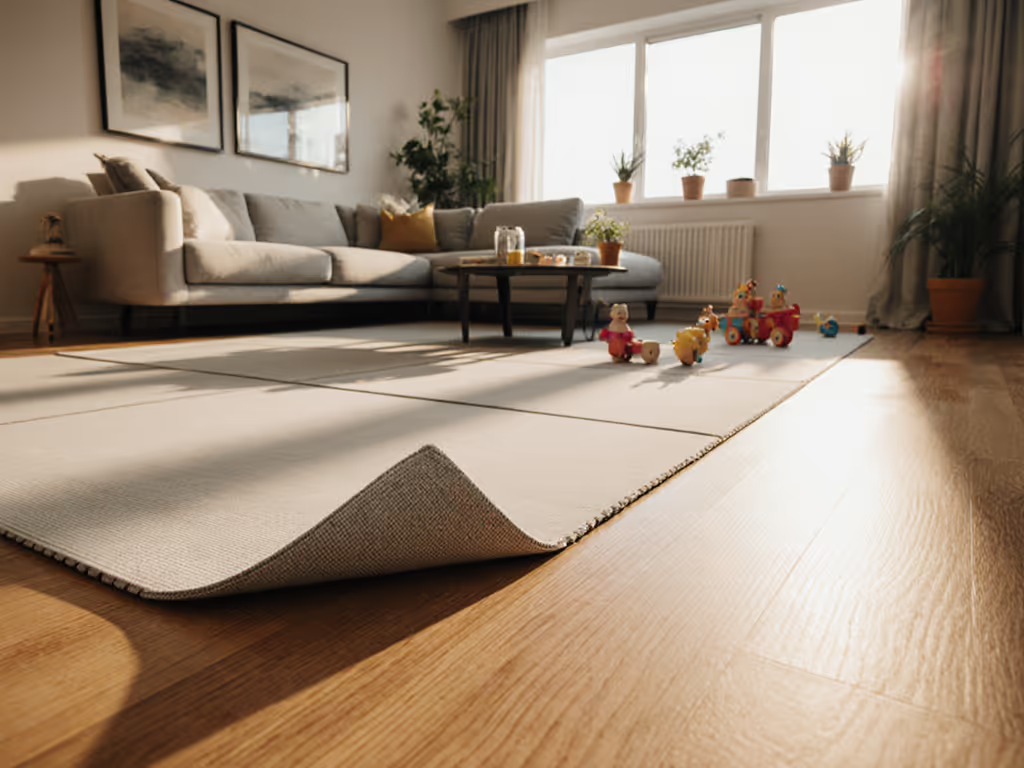
Hardwood floors are smooth and often polished, they reduce friction dramatically. A mat's bottom surface (called the backside or base) must create enough grip through texture, rubber, or adhesive properties to prevent migration when a baby crawls or shifts weight. Slipping isn't just annoying; it's a fall risk. A non-slip hardwood play mat needs a measurable friction coefficient (often expressed in static or dynamic testing), not just marketing language. For surface-specific recommendations, see our hardwood and carpet compatibility guide.
Standard foam puzzle tiles, for instance, have a soft top and textured underside, but on highly polished hardwood, they can still slide (especially at edges). Rolled or single-piece mats often perform better because there are no seams or edges to catch and lift. The weight distribution and material stiffness matter too: a mat that's too soft compresses unevenly and won't stay flat, which compromises grip.
Reverse problem: you choose a mat with aggressive grip, and now you're worried about finish scratching or adhesive residue. Hardwood is an investment, and many renters are liable for damage. The ideal scratch-resistant play surface uses a textured but non-abrasive rubber base or micro-suction technology that grips without bonding or scarring the floor. Testing matters here: ask for documented friction tests and floor-compatibility trials, not assumptions.
Transparency is a feature, not a vibe or hint.
When you read a product description, you'll see terms like EVA foam, PVC, TPU (thermoplastic polyurethane), natural rubber, or latex-free rubber. Each has a friction profile and a safety story, and they're not equivalent. If you're comparing materials head-to-head, our safety-tested materials guide breaks down durability, VOCs, and cleaning by type.
EVA Foam is lightweight, closed-cell, and commonly used in puzzle tiles. It has a lower density than cushion foam, so it's softer underfoot. Most EVA mats have a textured vinyl or PVC underside for grip. The catch: EVA can off-gas initially (though typically less than older polyurethane foams), and the grip isn't always reliable on polished hardwood without an applied rubber base.
PVC (Polyvinyl Chloride) is durable and often seen on the undersides of foam mats. It offers reliable grip through texture. However, PVC can contain phthalates (plasticizers that add flexibility) and is a known off-gassing culprit. A sealed PVC layer with low volatility is safer, but you need transparency on composition. Certification matters here. OEKO-TEX or Greenguard Gold testing flags phthalate presence.
TPU (Thermoplastic Polyurethane) is thermoplastic but not traditional polyurethane foam. Brands like Toki Mats pair organic cotton tops with TPU or latex-free TPU foam inserts. TPU offers decent grip, is typically phthalate-free, and has a lower VOC profile than PVC. Many OEKO-TEX-certified mats use TPU as the base foam.
Natural Rubber is inherently grippy and non-toxic. Hevea and some premium mats use it. It's allergen-free if you're latex-sensitive (natural rubber ≠ latex, though some cross-reactivity exists). Natural rubber is durable but can yellow over time and is pricier. It performs very well on hardwood because the material itself is tacky.
Tested Non-Slip Solution: Research-backed mats combine a textured or micro-grip rubber base with a mid-density foam core and a soft, washable top layer. Single-piece mats (not interlocking tiles) perform better on hardwood because there's no edge-lift risk.
Brands love the word "non-toxic," but it's not regulated. A mat claiming non-toxic without third-party testing is a red flag. Real assurance comes from named certifications:
OEKO-TEX Standard 100 tests finished textiles (including foam top layers and covers) for 350+ banned substances, including phthalates, formamide, and flame retardants. If a mat carries this, ask which class (Class I is infant-safe).
Greenguard Gold tests for VOC emissions and chemical off-gassing in a chamber over 28 days. It's the gold standard for low-emission products and is especially useful for assessing foam cores and rubber bases.
GOTS Certification (Global Organic Textile Standard) applies to organic cotton covers, not foam, but it guarantees the fabric itself is free of synthetic dyes and pesticides.
GRS (Global Recycled Standard) certifies recycled content (like recycled polyester fill) and chemical restrictions.
CPSIA / Prop 65 Compliance is the legal baseline for children's products in the U.S., but it's not a seal of excellence, just a pass/fail on lead, phthalates, and cadmium at specific thresholds. Don't rely on this alone.
What to Ask for: Request a product safety data sheet (SDS) or test report naming the foam type, off-gassing results, and any certifications. Brands that hesitate or dodge this request? Move on. One supplier I tested answered every material question and shipped a full off-gassing report; the mat had no odor on arrival, and my initial headaches (from an earlier mat) quietly disappeared. That transparency matters.
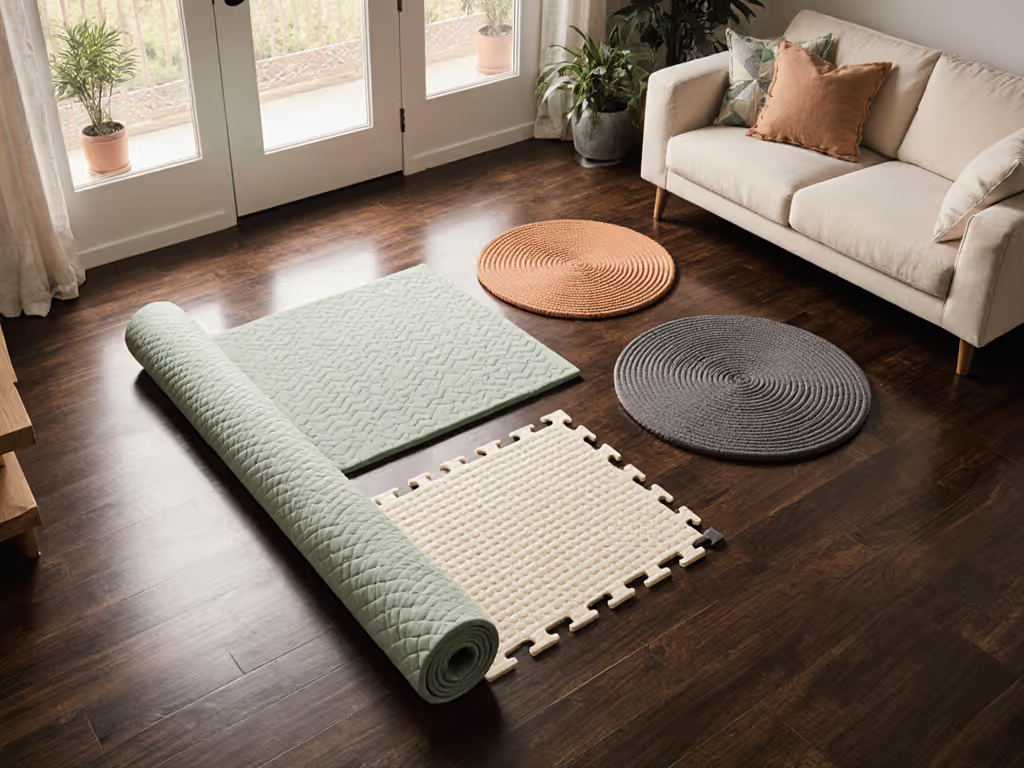
Single-piece mats (rolled or folded) sit flat and anchor better on hardwood. A mat like the Lorena Canals Honeycomb Playmat (3'8" x 3'8", made of GOTS-certified organic cotton with recycled polyester fill) won't separate at edges, reducing trip hazards and edge-curl issues. The downside: it's bulkier to store and harder to expand if your space grows.
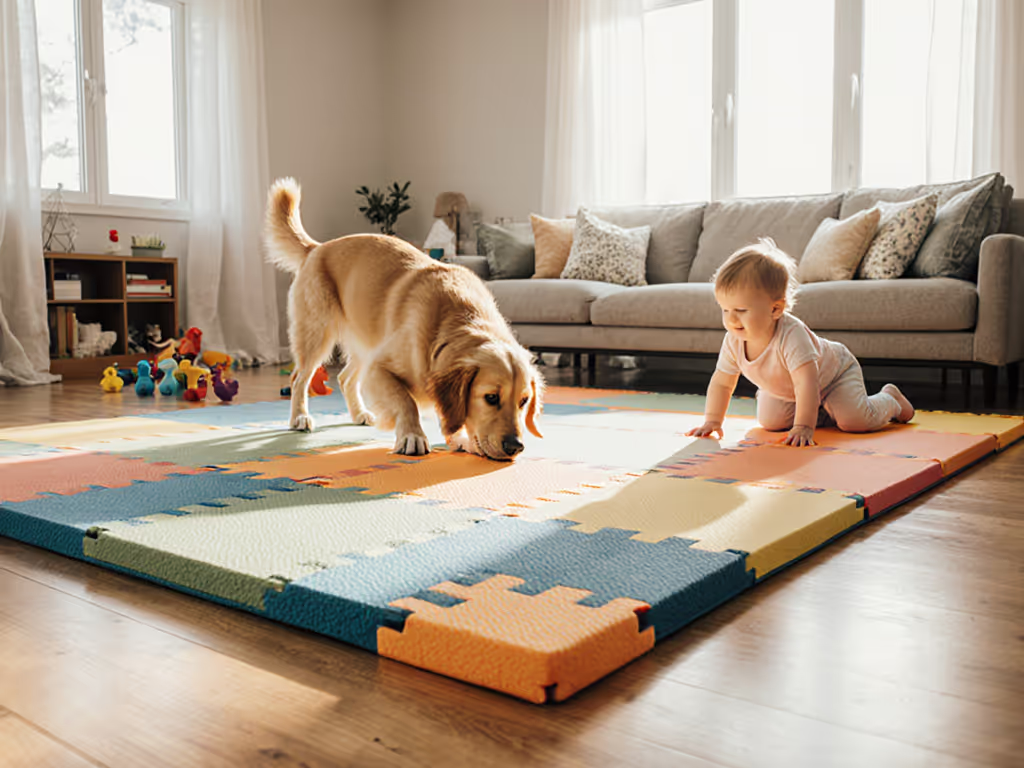
Interlocking puzzle tiles are modular and flexible but create seams. On hardwood, seams can lift or become tripping hazards if the tiles shift. A tile mat like the Wee Giggles or JumpOff Jo options works better on carpet, which holds pieces in place. If you go tiles on hardwood, you'll need a perimeter frame or adhesive-free tape to keep edges flush. For a deeper look at edge-stability options, see our comparison of interlocking vs weighted borders to reduce tripping hazards on hardwood. The payoff: you can rearrange or remove tiles if you need floor access.
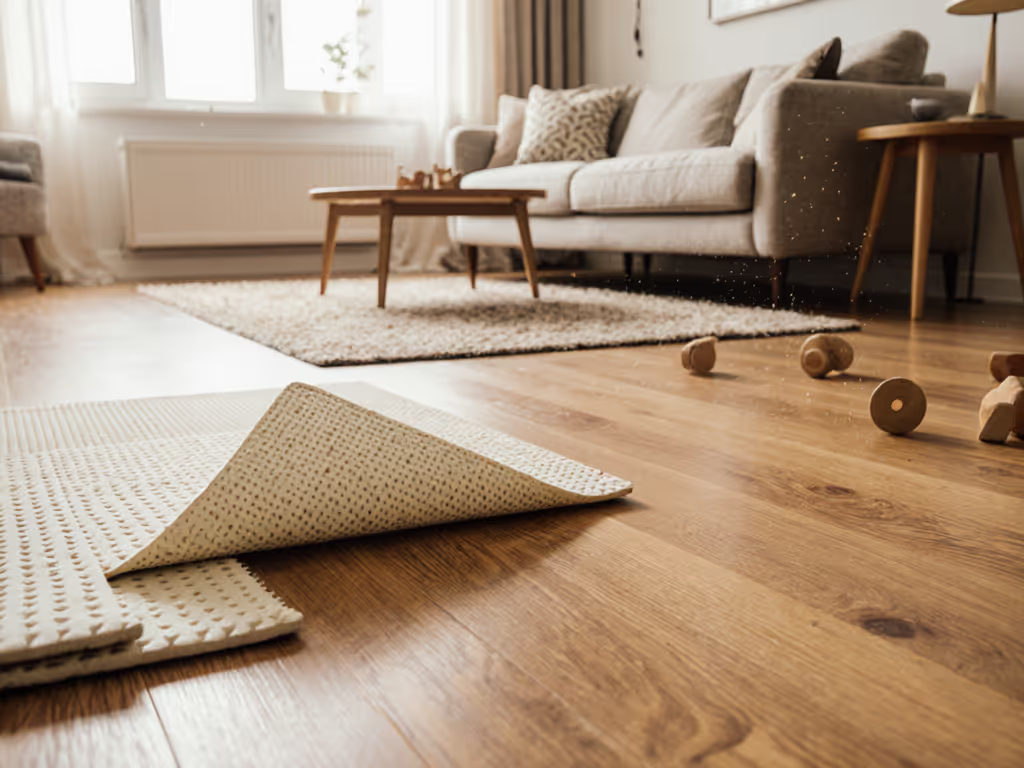
Non-slip Underlayment Option: A dual-layer approach: place a non-slip rug pad (gripper mesh, not glued) under your mat, which can stabilize even puzzle tiles. This is renter-friendly because the pad is removable and doesn't damage hardwood.
Thicker isn't always better. A 2cm (0.75") mat like Lorena Canals offers cushioning without being so soft that it compresses under a crawling baby's weight, which causes unevenness and can lift edges on hardwood. A 1-inch TPU foam (Toki Mats) balances softness and stability well. Overly thick mats (1.5" or more) can feel sinky and may bunch or wrinkle on hard floors, defeating non-slip performance.
For hardwood, aim for 0.75" to 1.25". This range provides impact protection (important for tummy time and falling toddlers) while maintaining a stable, flat surface that won't migrate.
Mats on hardwood see daily micro-movement from foot traffic, toy wheels, and furniture shifts. Over time, cheap mats can show:
Longevity signals:
Ask vendors: How is the top layer bonded to the foam core? Is there a warranty on delamination? Most reputable brands offer 1-2 year warranties.
For hardwood, choose a mat with a textured (not slick) underside that resists showing dust, and a top that's wipeable or machine-washable (check: is the whole mat machine-washable, or only the removable cover?). Toki Mats and Lorena Canals allow cover washing; foam inserts are spot-clean only. For step-by-step care by material, follow our play mat cleaning guide. This flexibility extends lifecycle and saves money on deep-cleaning services.
Many modern homes have radiant heating, and a mat sitting on top can trap heat, causing discomfort or even damage to the flooring or mat. For test data and top picks, see our radiant-heated floor play mat guide. Radiant heat compatible play mats are designed with breathability or low thermal resistance.
What to check:
If you're unsure, test-install the mat in a closet or low-traffic area with heating for a week, then check for warping, discoloration, or odor. If the flooring feels noticeably cooler in the mat zone, the mat may be acting as a thermal barrier.
Your audience lives in 700-1200 sq ft homes. A 3'8" x 3'8" mat claims 14 square feet. If guests come over or you need floor access, can you move it?
For renters or those moving often, fold-ability is a must. Calculate storage dimensions before buying.
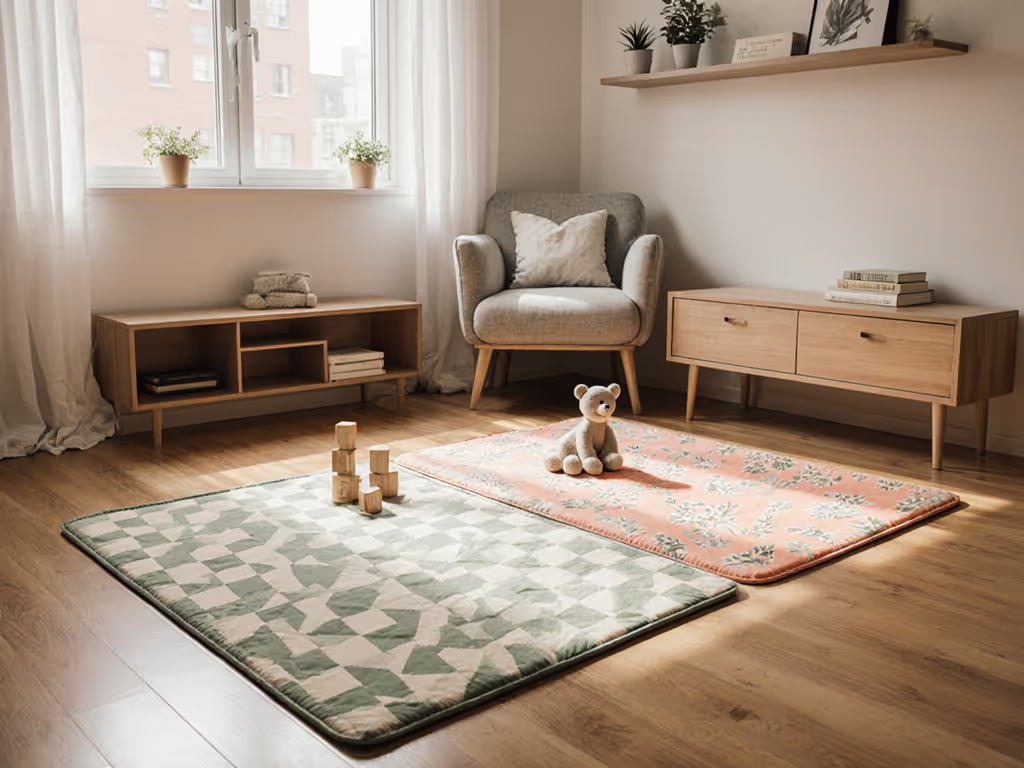
A bright primary-color puzzle mat screams "playroom." Design-conscious parents want a mat that blends or reverses to a neutral pattern. Options:
If aesthetics matter (and for your audience, they do), budget an extra 20-30% for design-forward options. Over a 3-year lifecycle, the per-month cost difference is modest, and you avoid aesthetic compromise that might tempt you to stash the mat, defeating its purpose.
| Brand / Product | Materials | Thickness | Non-Slip Base | Washable? | Price Tier | Best For |
|---|---|---|---|---|---|---|
| Lorena Canals Honeycomb | GOTS organic cotton + recycled polyester fill | 2 cm (0.75") | Textured backing | Whole mat | $$$ | Newborn through toddler; design-forward homes |
| Toki Mats Organic Foam | Organic cotton cover + OEKO-TEX TPU foam | 1" | Micro-grip TPU | Cover only | $$$ | Families prioritizing low VOC; ages 0-2 |
| Toddlekind | Organic quilted cotton + water-resistant coating | Varies | Rubberized base | Cover only (water-resistant top) | $$ | Easy-clean households; quick spill wipe-down |
| JumpOff Jo | Double-sided quilted fabric + foam core | 3/8" | Anti-slip texture | Wipeable | $ | Budget-conscious; foldable storage |
| Brand | Material | Thickness | Non-Slip on Hardwood | Stability | Price Tier | Notes |
|---|---|---|---|---|---|---|
| Wee Giggles | EVA foam + soft/textured sides | Varies | Textured underside; edges may lift | Medium | $$ | Adorable; needs underlayment on hardwood |
| Greatmats (mentioned in reviews) | Soft PVC foam + textured non-slip | 5/8" or thicker | Good grip; textured base | Medium to high | $-$$ | Heavy-duty; durable but thicker (heat insulation risk) |
| Brand | Cover Material | Foam Type | Thickness | Fold Size | Price Tier | Why Hardwood Works |
|---|---|---|---|---|---|---|
| House of Noa Tumbling Mat | Hand-illustrated vegan faux leather | Memory foam | 1.57" | Compact, carries | $$$ | Premium cushioning; faux leather grip; premium design |
A toddler pulling up uses the mat edge for leverage. If the mat is slippery or edges curl, the mat can shift, causing a fall. Single-piece mats with sealed, flat edges outperform interlocking tiles here.
For extra safety on hardwood:
Hardwood Floor Mat Safety also means checking for tripping hazards. A mat that slides or wrinkles becomes a hazard. Quarterly inspections help: flip the mat, vacuum underneath, and check the non-slip base for wear or dirt buildup (debris reduces grip).
Break down price by months of use.
Scenario: Newborn to 24 months (24 months of use)
JumpOff Jo (~$80): $3.33/month. Use: newborn tummy time, crawling. After 24 months: folds for storage, likely to be reused for a sibling or resold ($30-40 secondhand). True cost: ~$40-50. Cost-per-month: ~$1.67-$2.08.
Lorena Canals (~$250): $10.42/month. Washable, durable cover; likely lifespan 3-4+ years if cared for (machineable). Can be used for newborn through early preschool (ages 0-3+). Resale value: ~$80-120. True cost: ~$130-170. Cost-per-month (36 months): ~$3.60-$4.70.
Toki Mats (~$300+): Premium materials, third-party certifications, long-term durability. True lifecycle: 0-3+ years, resale ~$100+. Cost-per-month: ~$5-7 upfront, but confidence in safety and low off-gassing is priceless for anxious parents.
Conclusion: Mid-to-premium mats ($200-300) outperform budget options on cost-per-month when you account for durability, resale value, and multi-child use. Buy once; buy better applies here.
Show the test report. That's the non-negotiable starting point. Specifically:
Brands that answer in detail and back claims with documents are trustworthy. Those that repeat generic marketing phrases or say "proprietary information"? Move on.
Choosing the right hardwood floor play mat comparison means testing your assumptions against real data and your specific floor. Here's how to narrow it down:
Step 1: Audit Your Space
Step 2: Map Your Priorities
Step 3: Request Documentation
Step 4: Read Real-Home Reviews
Step 5: Test Before Committing
The best mat isn't the most expensive or the most reviewed, it's the one that matches your floor, your household, your materials ethics, and your aesthetic without compromise. Transparency in materials and testing should be the baseline, not a premium feature. Demand it. Your nursery (and your headaches) will thank you.