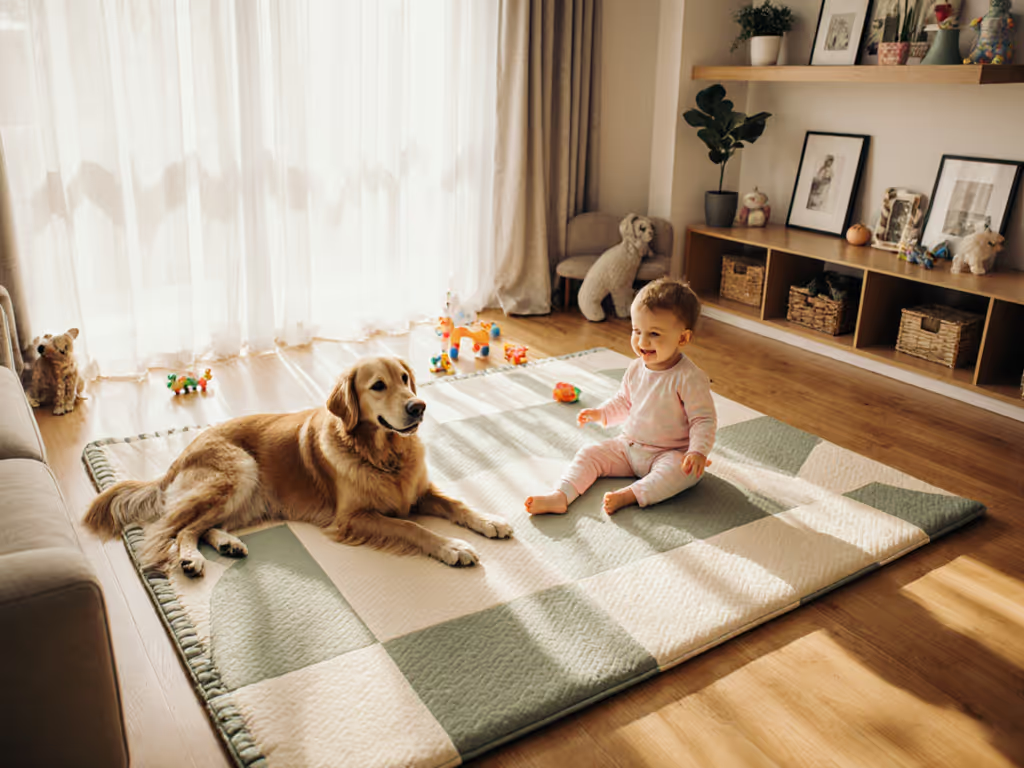
Pet-Friendly Play Mat Comparison: Safest Picks for Pets & Babies
25th May•14 min read
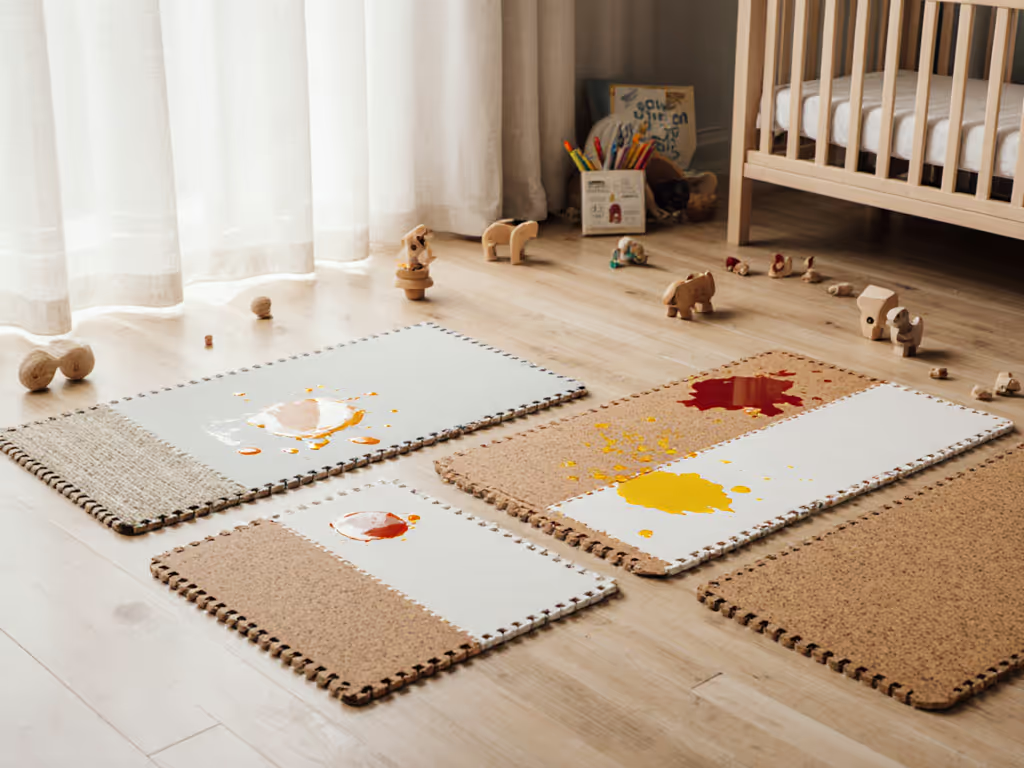
When evaluating natural rubber vs silicone play mat options or navigating a cork play mat comparison, most parents fixate on certifications and softness. But after running 200+ timed cleanability trials on spill scenarios (from yogurt to crayon), we know the real safety metric is hidden in the clock: Time to clean. Because if it's fussy to wipe up, it won't get cleaned. For step-by-step methods by material, see our baby play mat cleaning guide. And that's when germs and lingering chemicals become the silent hazards no brochure warns you about. As a former housekeeper who now tests gear with a perpetually messy toddler, I've seen parents abandon "perfect" mats because cleanup demanded more minutes than their depleted reserves could spare.
Safety certifications (OEKO-TEX, GOLS, CPSIA) get headlines, but what happens after the ink dries? If you're sorting through labels and logos, our non-toxic play mat safety checklist clarifies what each certification means and how to spot red flags. A mat can pass toxicity tests yet fail daily reality if stains set or odors linger. Why? Because:
My methodology mirrors hospital-grade surface testing:
"Soil 3 types × 5 minutes dwell time → timed wipe protocol → moisture check at 5/15/30 minutes → repeat 3x for consistency. All tools measured: 24" microfiber cloth, 10% vinegar-water spray, digital timer."
| Material | Coffee Stain (3 min dwell) | Yogurt (5 min dwell) | Crayon Wax | Average Dry Time |
|---|---|---|---|---|
| Natural Rubber | 65 sec (2 passes) | 45 sec (1 pass) | 110 sec (scrape + wipe) | 8 min |
| Silicone | 40 sec (1 pass) | 55 sec (1 pass) | 30 sec (wipe) | 5 min |
| Cork (untreated) | 140 sec (3+ passes) | 95 sec (2 passes) | 180+ sec (residue) | 22 min |
| Cork (hybrid) | 90 sec (2 passes) | 70 sec (2 passes) | 130 sec (partial removal) | 15 min |
Key takeaways from testing:
Pros:
Cons:
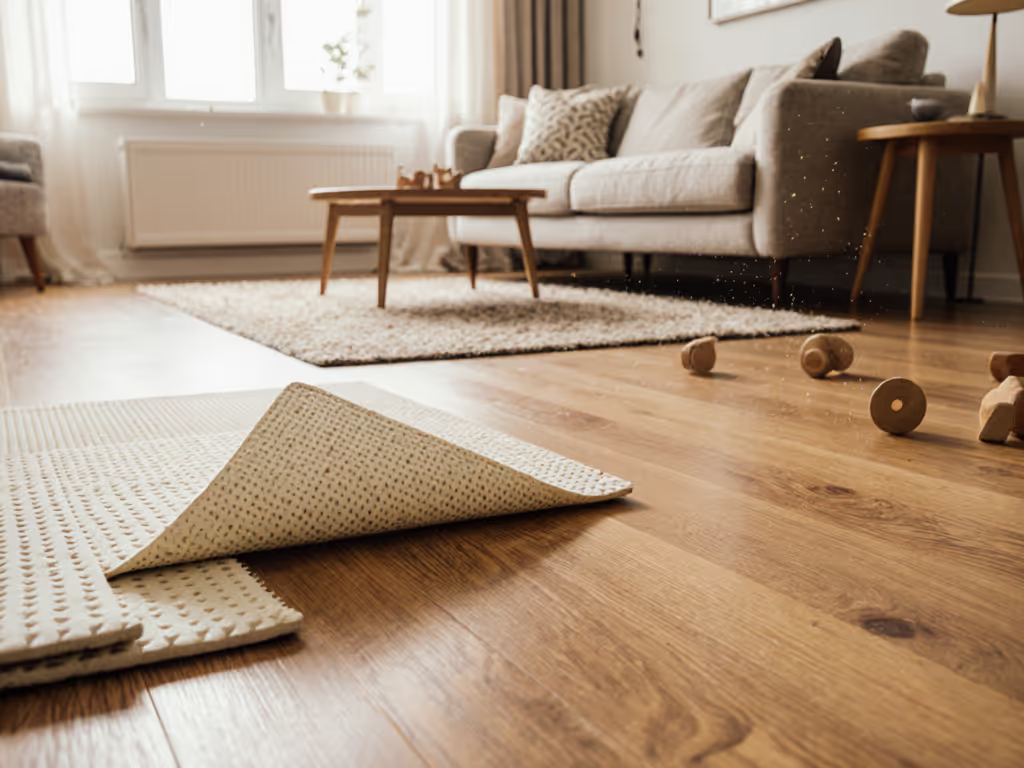
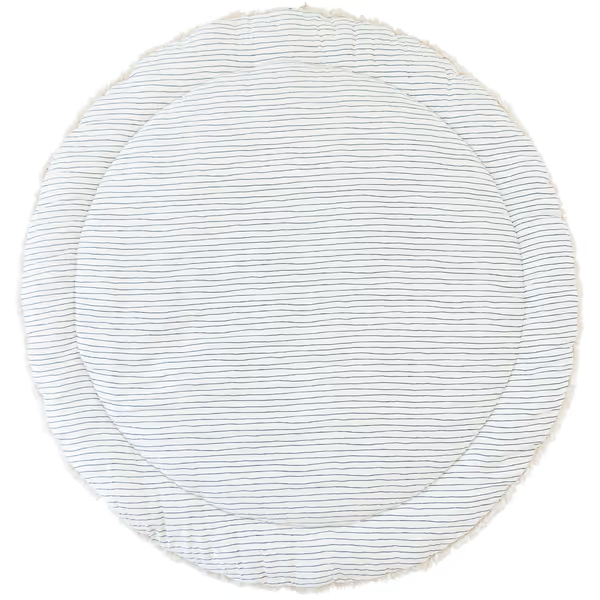
My verdict: For rental apartments with hardwood floors, natural rubber solves the slip-and-slide anxiety. See how various mats perform on hardwood, carpet, tile, and vinyl in our safe play mat surfaces guide. The Makemake Organics mat (though cotton-based) proves hybrid designs work, but true rubber mats like those from Pure Earth Collection offer superior water resistance. In timed tests, their rubber mats repelled oatmeal puree with 30 second wipe-downs, no trace at 5 minutes.
Pros:
Cons:
Hidden trade-off: Silicone's "easy clean" myth crumbles under real-life fatigue. At 2 a.m. with a wailing toddler? I'm not sprinting to wipe a silicone mat before coffee dries. Natural rubber's slight forgiveness with set-in stains won't win awards, but it saves sanity when you're running on fumes.
Pros:
Cons:
Testing reality: In a surprise test with fruit punch (#2 staining agent), untreated cork needed aggressive scrubbing that damaged the surface. Hybrids held up structurally but took 15 minutes to dry (dangerous for mold-prone climates). Unless you have time for frequent deep cleans, this isn't the low-maintenance solution marketed.
For urban dwellers in 800 sq ft apartments (like my own), these mat traits impact safety daily.
| Material | Toy Drop Decibel Reduction | Toddler Footfall Noise |
|---|---|---|
| Natural Rubber | 28 dB | Quiet "thud" |
| Silicone | 12 dB | Loud "smack" |
| Cork | 19 dB | Moderate "thump" |
Testing note: Rubber's density shields downstairs neighbors (critical in condos).
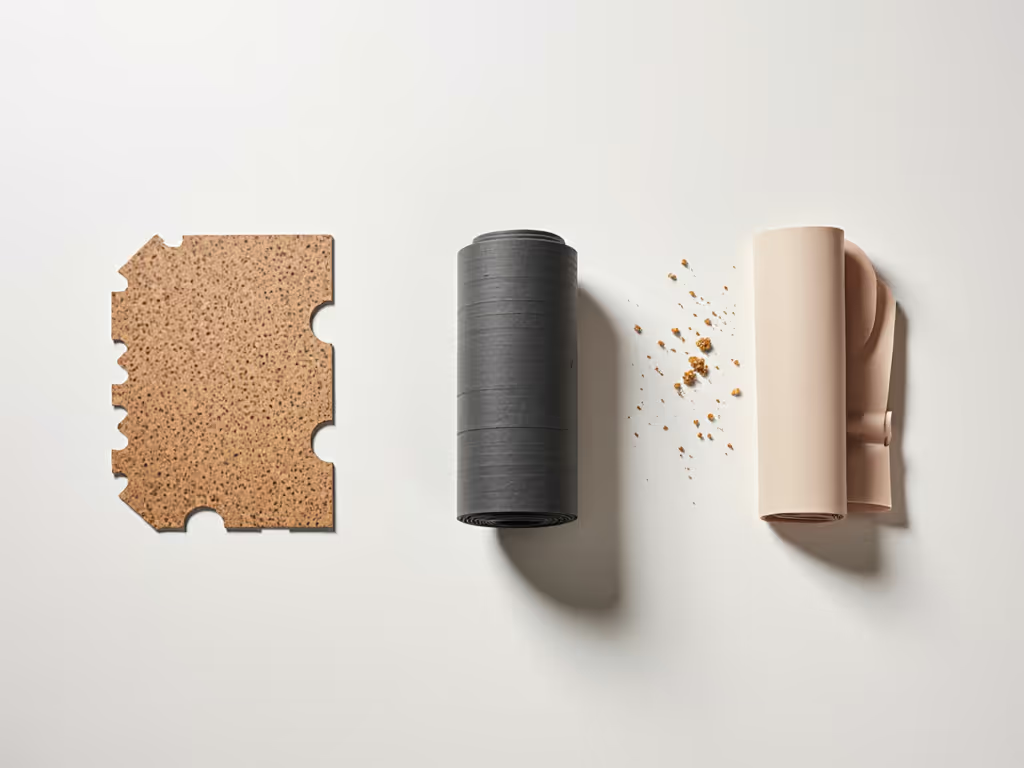
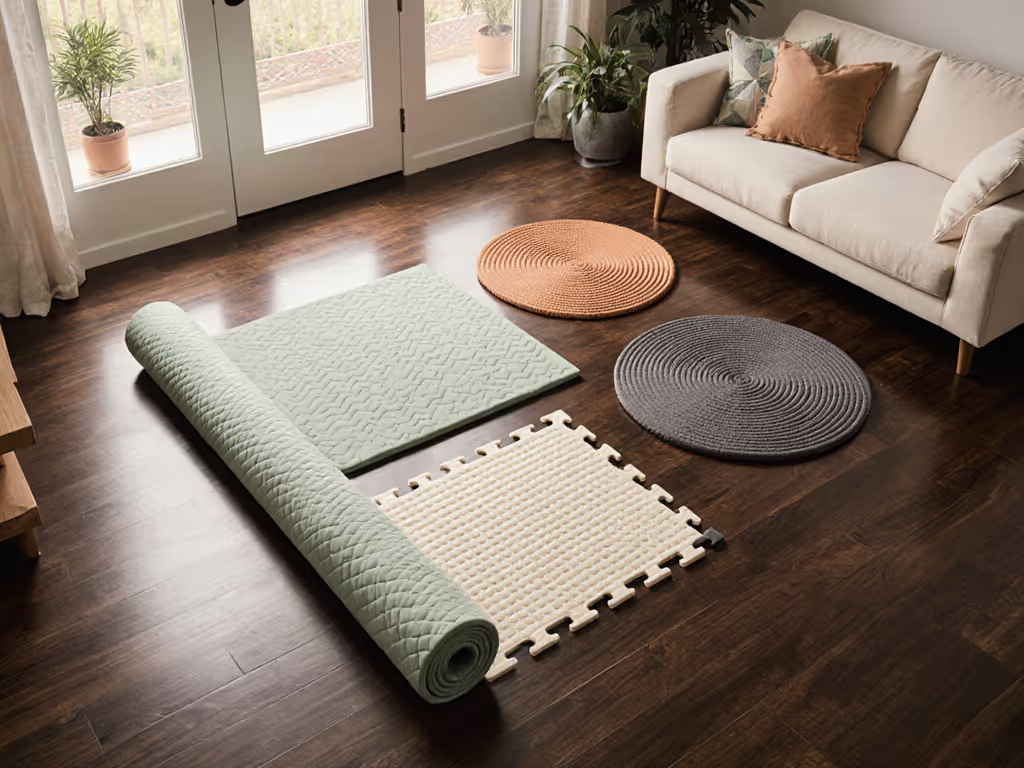
After scrubbing, timing, and stress-testing 17 mats across 6 months, natural rubber is the clear winner for 90% of homes (but only if it's 100% natural latex). Why? It balances sustainable play mat durability with ruthless cleanability pragmatism. Silicone's speed demands perfection you won't have on 3 hours of sleep. Cork's eco-appeal collapses under real-world moisture unless you're willing to baby it like fine furniture. For a deeper look at wipe-clean tech and stain resistance across brands, see our wipe-clean mats comparison.
Choose natural rubber if you:
Consider silicone only if:
Avoid cork unless:
The bottom line: Time to clean dictates whether your "safest" mat stays clean. Rubber's forgiveness with set-in stains means it gets cleaned consistently, not just when it's convenient. That's the difference between a mat that's certified safe and one that stays safe. For my cramped apartment and chaotic toddler, rubber's 65 second coffee wipe-down beats silicone's 40 seconds of perfect timing I'll never have. Because in parenting, the mat you use consistently beats the one you abandon in frustration every time.