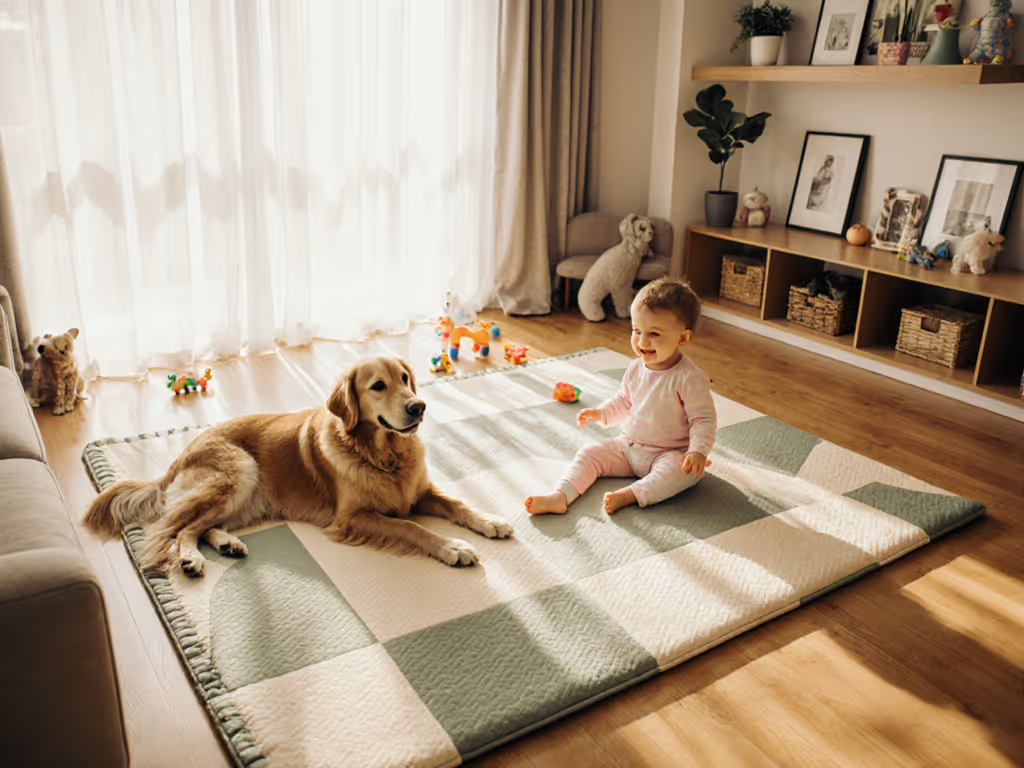
Pet-Friendly Play Mat Comparison: Safest Picks for Pets & Babies
25th May•14 min read
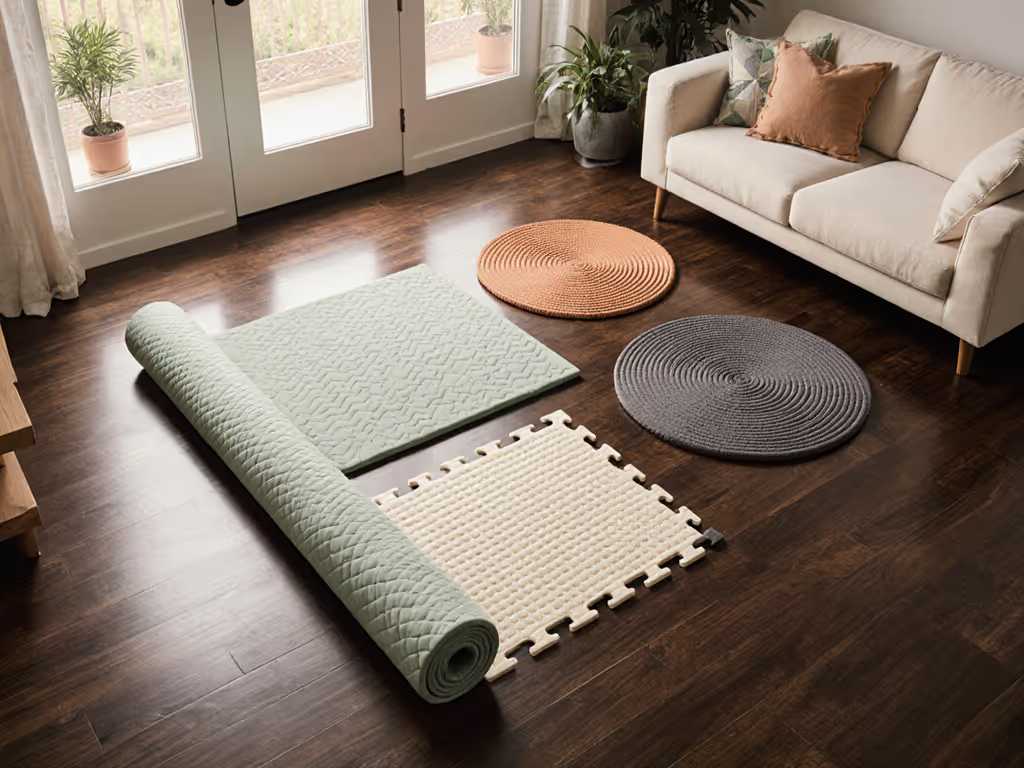
Choosing a play mat for hardwood floors requires comparing five core mat types (each designed for different floor protection needs, storage constraints, and household rhythms). A hardwood floor play mat comparison isn't just about cushioning; it's about finding the type that fits your exact space, cleans reliably, and earns its square inches over years of use.
Hardwood flooring presents a specific problem: it's beautiful, slippery, and unforgiving. Bare wood amplifies sound, offers zero give on falls, and scratches under toy wheels and furniture legs. A play mat bridges that gap, but only if you choose the right construction for your floor's behavior. When our son arrived in a 480-square-foot walk-up, I taped mat footprints on the floor for a week. We tracked traffic patterns, stroller parking zones, and where sunlight hit during nap hours. The data showed us: a mat needs to stay put, compress under weight without creating trip edges, and return to the floor in seconds when we roll it away for guests. That test revealed why many mats fail on hardwood, they shift, bunch, or curl at edges after weeks of use.
The best mat is the one your home can live with daily, not just during floor-time. This means evaluating five variables across mat types: non-slip performance on wood, how it handles temperature swings in radiant-heated homes, whether it compresses under furniture without denting, aesthetic neutrality in multi-use rooms, and folding/storage footprint when packed away.
Coverage and cushioning in a single layer.
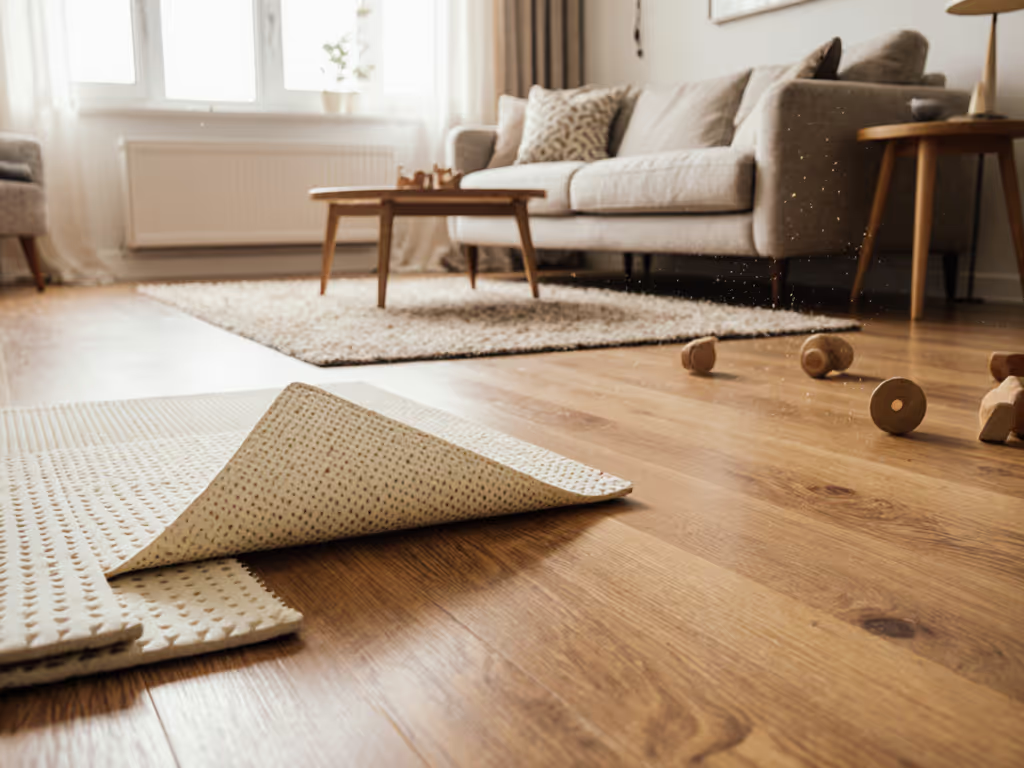
Roll-out mats come in fixed sizes (typically 4 × 8 feet (1.2 × 2.4 m) or smaller rectangles), with PE (polyethylene) foam or memory foam cores. These are among the most popular for hardwood because they deliver consistent cushioning without assembly.[1]
Standard roll-outs range from 3/8 inch (9.5 mm) to 1.5 inches (38 mm). A 5/8-inch mat (16 mm) offers the practical middle ground: soft enough to reduce impact from falls, firm enough that a baby's crawl doesn't feel like sinking into gelatin.[1] Thicker mats (1+ inch) provide measurably better protection; one test confirmed that a thick foam mat could absorb a raw egg drop from 68 feet without breaking.[4]
Roll-outs fold or tightly roll into a compact bundle (typically fitting under a sofa or in a shallow closet around 12 × 18 inches when folded). Setup is instant: lay flat, allow 10-15 minutes for it to decompress if vac-sealed, and wipe the bottom clean. Teardown takes one person, six seconds.[1]
Trade-offs:
A roll-out's base determines hardwood safety. Mats with textured or rubberized underside (natural rubber or TPE) stay anchored when a crawling baby or standing toddler exerts lateral force. Smooth-bottom foam can glide, creating a real safety gap, especially critical if the mat backs a piece of furniture or a steep doorway threshold.[1]
Customizable footprint, scalable coverage.
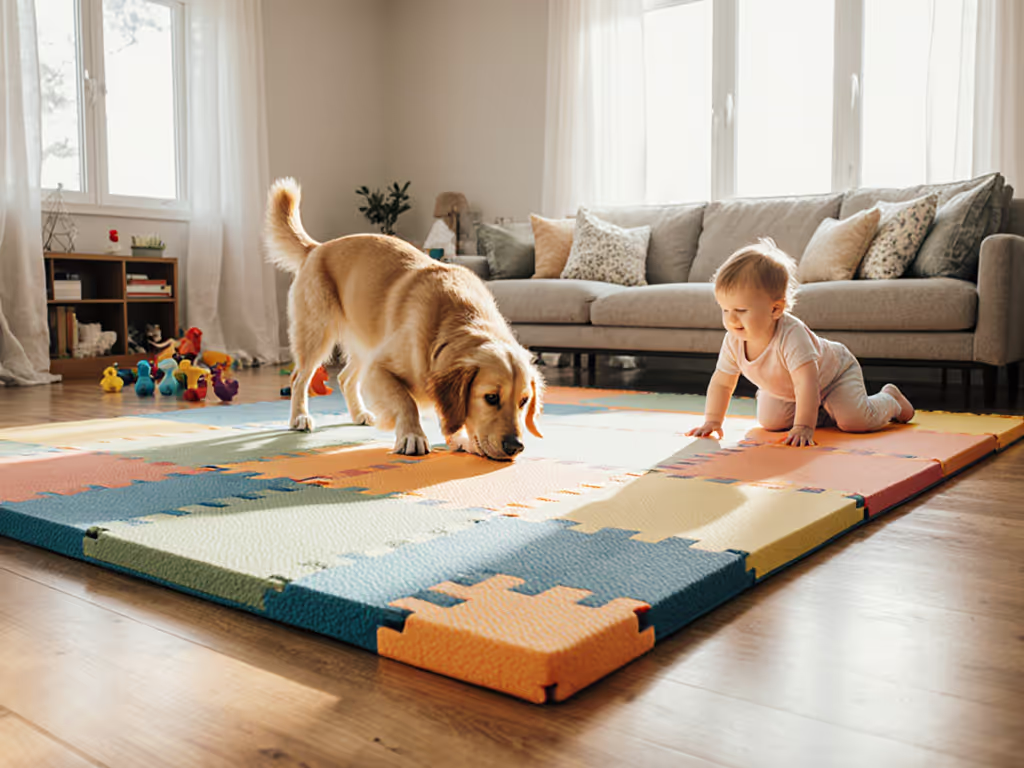
Puzzle mats use interlocking foam or EVA tiles (typically 2 × 2 feet or 1 × 1 meter per piece) that snap together to form a play area of any shape. This modularity is prized by urban renters and families planning layout flexibility.[3]
You buy only the number of tiles your space can accommodate. A 480-square-foot apartment might use six to eight tiles (roughly 4 × 4 feet or 1.2 × 1.2 m) for a corner nap zone, or expand to 20+ tiles if a playroom becomes available. Square inches are a budget: make the mat earn them. This constraint-driven approach aligns puzzle systems with small-space reality: you're not forced to store or finance oversized coverage.
Tiles come in PE foam, EVA foam, or natural rubber compounds. Toddlekind mats use high-density EVA with reversible designs; flip tiles to refresh aesthetics without rebuy.[3] House of Noa offers non-toxic EVA tiles in minimal, modular patterns that blend into adult living rooms (whites, grays, soft teals).[3][6] Both brands score high on material transparency: no formamides, phthalates, or flame retardants documented in third-party testing.
Puzzles interlock easily: no tools required. Setup takes 3-5 minutes for an eight-tile configuration. Disassembly is reversed: store individual tiles in a bin or, for compact homes, stack them flat behind a closet door. This flexibility appeals to renters who anticipate layout shifts.
Trade-offs:
On hardwood, puzzle tiles must sit flush. For a technical breakdown of edge stability, read Play Mat Edge Security: Interlocking vs Weighted Borders. Raised or beveled edges present a tripping risk, especially critical if a 12-18 month-old is learning to cruise and transfer weight. Look for tiles with beveled or tapered seams (Toddlekind and House of Noa both offer these) rather than sharp right angles.[3][6]
Space-efficient, nook-specific sizing.
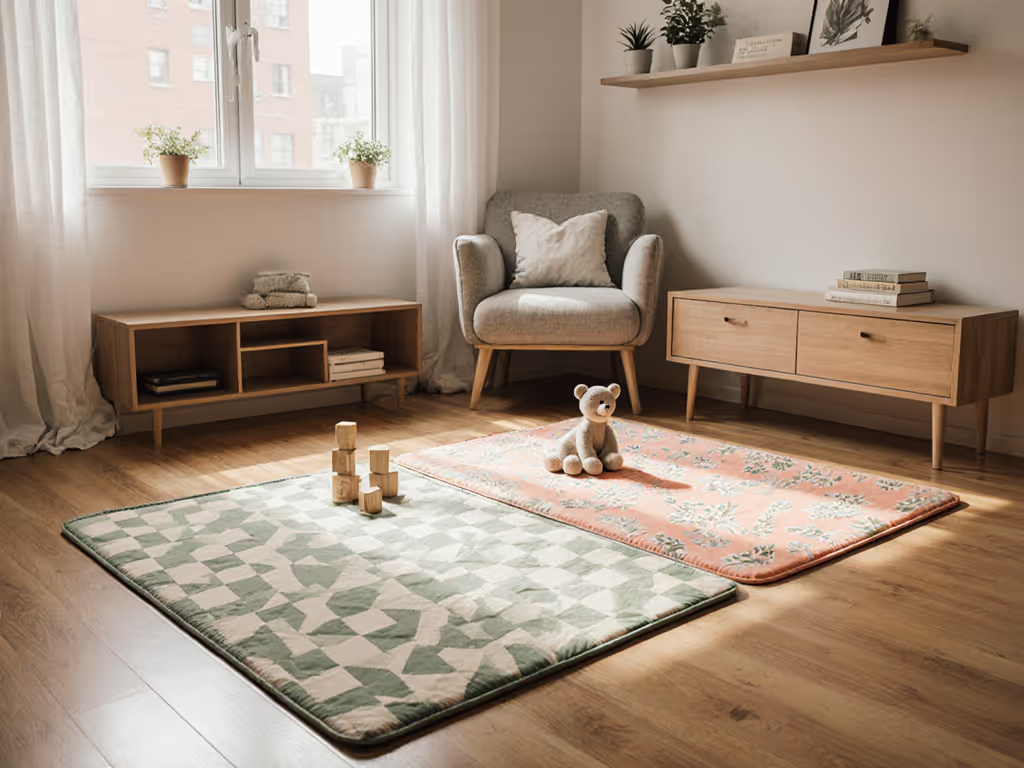
Round mats (typically 55 inches or 1.4 meters in diameter) or compact rectangular shapes (3 × 4 feet or 1 × 1.2 m) offer a middle path between roll-outs and puzzle scalability. Totter and Tumble produces round mats in thick memory foam, designed explicitly for hardwood-floored homes.[2]
A 55-inch round mat occupies roughly 21 square feet, ideal for a corner reading nook, nursery corner, or concentrated play zone. It doesn't sprawl across an open-plan room, reducing visual clutter and making hardwood visible (often desirable for aesthetic minimalists). This focused sizing means the mat "lives" in one spot; you're not storing an 8-foot-long roll.
Round mats with thick memory foam (3/4 inch to 1.25 inches) offer protection comparable to premium roll-outs. The circular footprint naturally resists sliding, the perimeter's shape provides resistance on hardwood. Some designs include textured undersides for additional grip.[2]
Trade-offs:
Hardwearing surfaces for high-traffic zones.
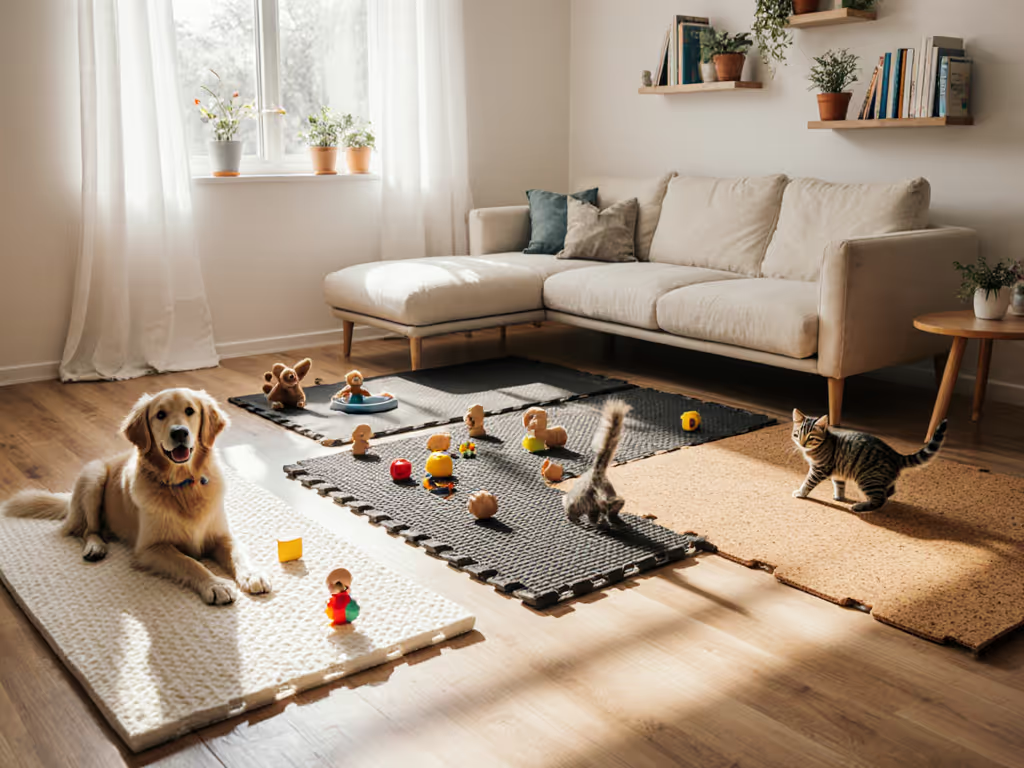
When cushioning takes a backseat to durability, solid rubber and PVC tiles emerge, particularly relevant for homes with toddlers, active pets, or plans to use a play zone as a future workout or training space.[4]
Ergo Matta and StayLock tiles combine rubber or PVC cores with cushioned surfaces (Bump Top, Orange Peel, or smooth finishes). These tiles resist scratching from toy wheels, pet claws, and furniture legs far better than soft foam. They also dampen sound, a genuine advantage in apartments with downstairs neighbors, and support exercise equipment without compression.[4]
Rubber-based tiles naturally grip hardwood; they rarely shift under load. For households with very active toddlers or pets, this stability is non-negotiable. Additionally, rubber doesn't off-gas like some plastics, and PVC tiles remain affordable ($2-5 per square foot versus $3-8 for premium foam).[4]
Rubber and PVC tiles wipe clean instantly and resist staining. They handle pet accidents, diaper blowouts, and sticky residue without absorbing odor. Both are machine-cleanable in some cases and compatible with steam cleaners and robot vacuums, making them practical for multi-pet households.[4]
Trade-offs:
Underfloor heating systems demand mats that don't insulate or trap moisture. Get tested picks in our radiant heated floors guide. PE and EVA foams are generally safe, but very thick tiles (over 1 inch) can create dead zones above heating runs. Verify manufacturer guidance; most premium brands test for radiant-heat compatibility. Rubber and PVC tiles are generally neutral in this context.[1][4]
Non-slip hardwood play mat performance depends on two factors: the mat's underside texture and the hardwood's finish. See lab-backed picks in our hardwood non-slip & scratch tests guide. Matte or satin finishes grip better than glossy lacquer. A rubberized mat base (natural or TPE rubber) on a matte finish provides reliable grip; a smooth foam bottom on high-gloss hardwood courts slipping. Test before committing: place the mat on your actual floor and simulate a baby's weight shifts or a toy roll.
A play mat shouldn't dent furniture legs or damage floors. Premium foam (density rated in kg/m³) resists compression better than economy options. Toddlekind and House of Noa specify density ratings (often 120+ kg/m³), meaning they recover shape after a heavy toy or furniture sits for hours. Rubber and PVC tiles don't compress at all, making them better for homes with hardwoods prone to damage.[3][6]
Foam and EVA can soften slightly in warm rooms or above active radiant heat; PVC and rubber remain stable. If your home runs warm (above 75°F / 24°C year-round), consider rubber-based mats to avoid long-term softening or warping.
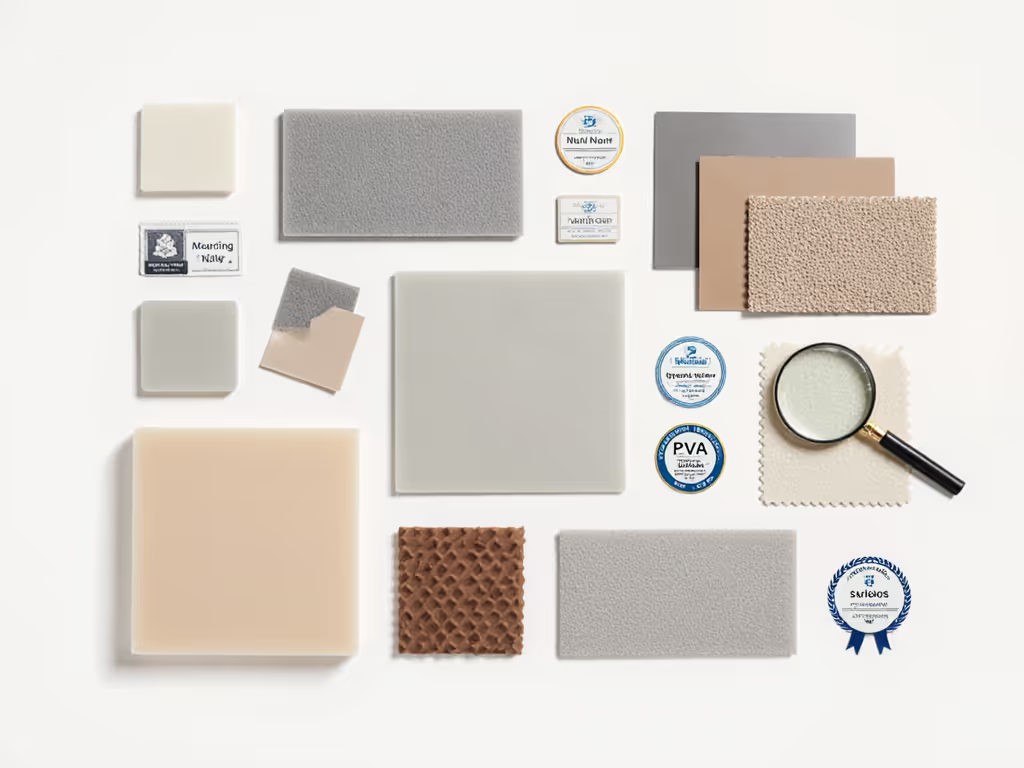
The audience's material anxiety centers on three risks: off-gassing, toxic chemicals, and allergens. For certification must-haves and safe material rankings, see our materials safety guide. Here's how to evaluate:
Third-party certifications:
Material transparency:
Toddlekind and House of Noa both publish full material disclosures and third-party test results on their websites, a signal of genuine confidence rather than greenwashing.
New parents underestimate cleaning frequency: spit-up, diaper blowouts, fruit purees, and pet accidents mean a mat gets soiled weekly. Here's what each type handles:
| Mat Type | Wipeable | Machine-Washable | Steam-Clean Safe | Stain Risk |
|---|---|---|---|---|
| Roll-out foam | Yes (spot-clean only) | No | Check specs | Moderate (absorbed into core if spill sits) |
| Puzzle tiles (foam) | Yes, most tiles | Some brands allow washer | Limited | Moderate (seams trap moisture) |
| Round foam mat | Yes, premium brands | Rarely | Check specs | Low to moderate |
| Rubber/PVC tiles | Yes, excellent | Yes | Yes, safe | Very low (non-porous) |
Rubber and PVC tiles truly excel here: a diaper blowout wipes clean in 30 seconds, no odor lingers, and a weekly mop doesn't degrade them. For step-by-step care by material, use our complete play mat cleaning guide. Foam mats require vigilance (spills left overnight can begin to smell, and moisture in seams (puzzles) promotes mold risk).
Design-conscious parents, the majority of this audience, resent a mat that screams "toy zone." Bright primary colors, cartoon characters, and plastic-y textures clash with minimalist, Scandinavian-leaning homes.
Wins for aesthetics:
Rubber and PVC tiles typically come in solid colors (black, gray, tan, forest green), industrial but unobtrusive. They pair well with hardwood and don't compete visually.
One-piece roll-out mats in generic grays or navies work, but many budget options feature garish colors or embossed toy graphics. Verify online before ordering.
If a mat requires 10 minutes to set up and 15 to break down, or doesn't fold flat enough to stash before guests arrive, it will migrate to the garage and collect dust. Real-world usage hinges on friction-free storage.
| Mat Type | Fold/Roll Time | Storage Footprint | Setup Time | Best for |
|---|---|---|---|---|
| Roll-out foam | 30 seconds | 12 × 18 × 6 inches under sofa | 5 minutes (decompress) | Apartments; quick on/off cycles |
| Puzzle tiles | 1-2 minutes (pack tiles) | Stackable bin, 18 × 24 inches | 3-5 minutes | Modularity; flexible layouts |
| Round mat | 1 minute (roll) | 10-inch diameter roll, 24 inches long | 2 minutes | Permanent nook; less moving |
| Rubber/PVC tiles | 3-5 minutes (stack tiles) | 24 × 30 × 18 inches | 5 minutes (interlocking setup) | Dedicated playroom; less moving |
Buy once, use longer: this isn't just about durability. It's about a mat that fits your rhythm so closely that you choose to set it up daily, not resent it as friction.
A $300 premium foam mat used daily from birth to age 2 costs $13/month, which is competitive with cheap alternatives if cheap mats require replacing at age 1 ($100 mat = $8/month, but rebuy = hidden cost and landfill waste).
Consider:
A mat that evolves with these phases (modular puzzles that expand, reversible tile designs, or one-piece mats durable enough for years) minimizes rebuys. A mat that's obsolete by age 2 is wasteful.
Choose your hardwood play mat type by priority trade-off:
Choose roll-out foam if you rent, move frequently, have severe space constraints, or want simplicity and lowest entry cost. A 5/8-inch PE or memory foam roll with a rubberized base will keep a baby safe on hardwood and fold away in seconds. Examples: Greatmats Foam Kids and Gym Mats Premium (16 mm thick, under $150).
Choose puzzle tiles if you value scalability, aesthetic customization, modularity, or plan to adjust layout as your child grows or you move homes. Toddlekind and House of Noa tiles tolerate 5+ years of daily use, reverse for aesthetic refresh, and remain wipeable. Budget $300-500 for a 10-16 tile setup.
Choose a round or compact mat if you have a defined nook (corner, bedroom), want a designed object rather than utilitarian gear, and don't need infinite scalability. Totter and Tumble offers genuine design + durability. Budget $250-350.
Choose rubber or PVC tiles if you have an active toddler, pets, apartment downstairs-neighbor concerns, or envision a second life as a gym or studio floor. These are the most durable, lowest-maintenance choice and outperform foam in high-impact scenarios. Budget $200-400 for 10-16 tiles.
The best mat is the one your home can live with daily, meaning it doesn't create storage friction, clash with your decor, or demand constant maintenance. Measure your floor, test a sample if possible, verify the non-slip base on your specific hardwood, and commit to a type that aligns with your layout constraints and household rhythm. A mat that earns its square inches will serve from newborn through toddler milestones and possibly beyond.