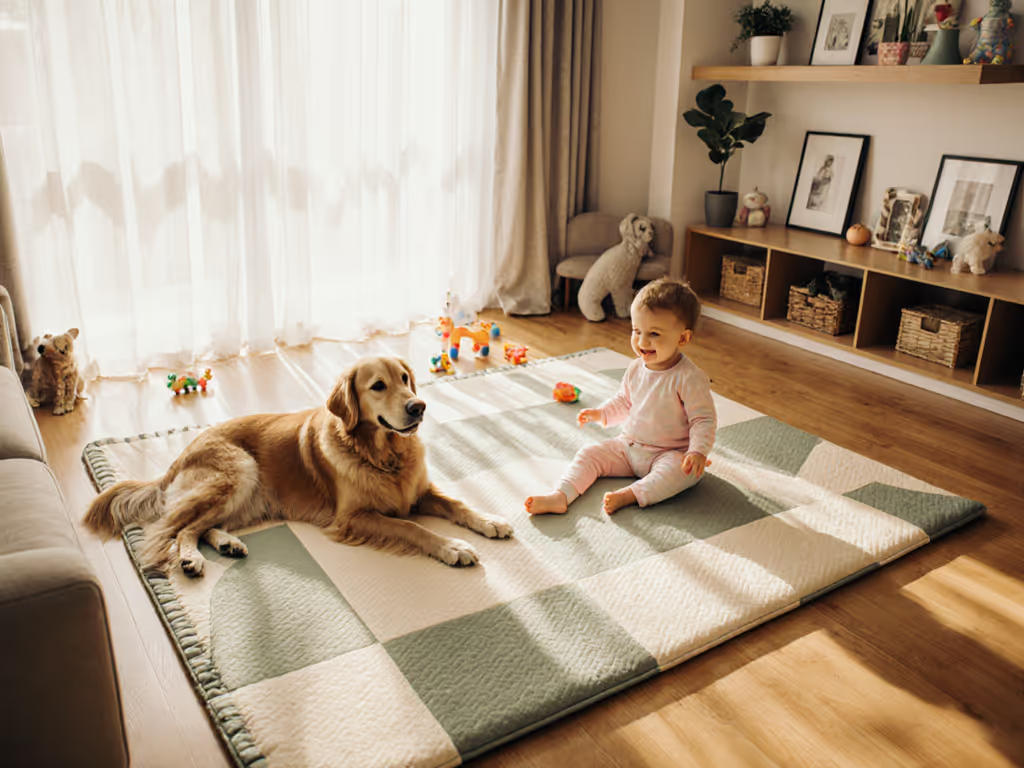
Pet-Friendly Play Mat Comparison: Safest Picks for Pets & Babies
25th May•14 min read
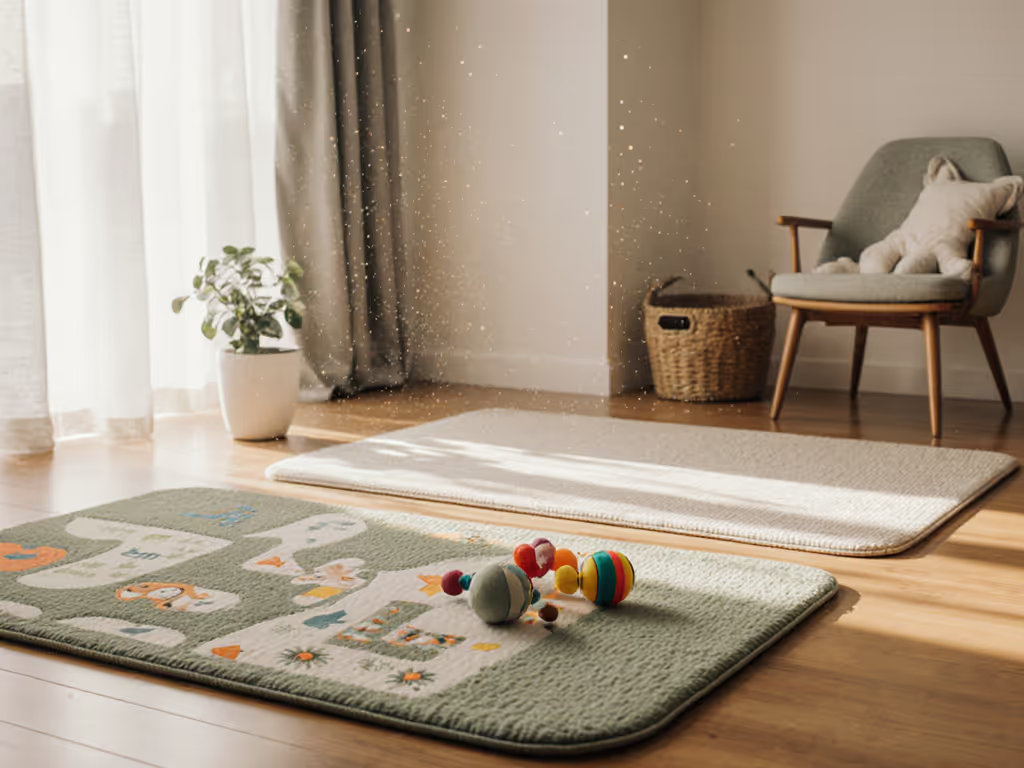
Choosing a baby play mat isn't about finding the prettiest option, it's about achieving a play mat personality match to your infant's sensory needs. As a parent who once endured days of 'new mat' chemical smells (and corresponding headaches), I learned that 'neutral' aesthetics mean little if the materials trigger overstimulation or health concerns. Today's parents deserve clear, testable claims, not just vibes. Show the test report.
This guide cuts through the noise using temperament-based criteria, third-party certifications, and real-world space constraints. We'll translate industry jargon into actionable choices for your limited-floor-space home.
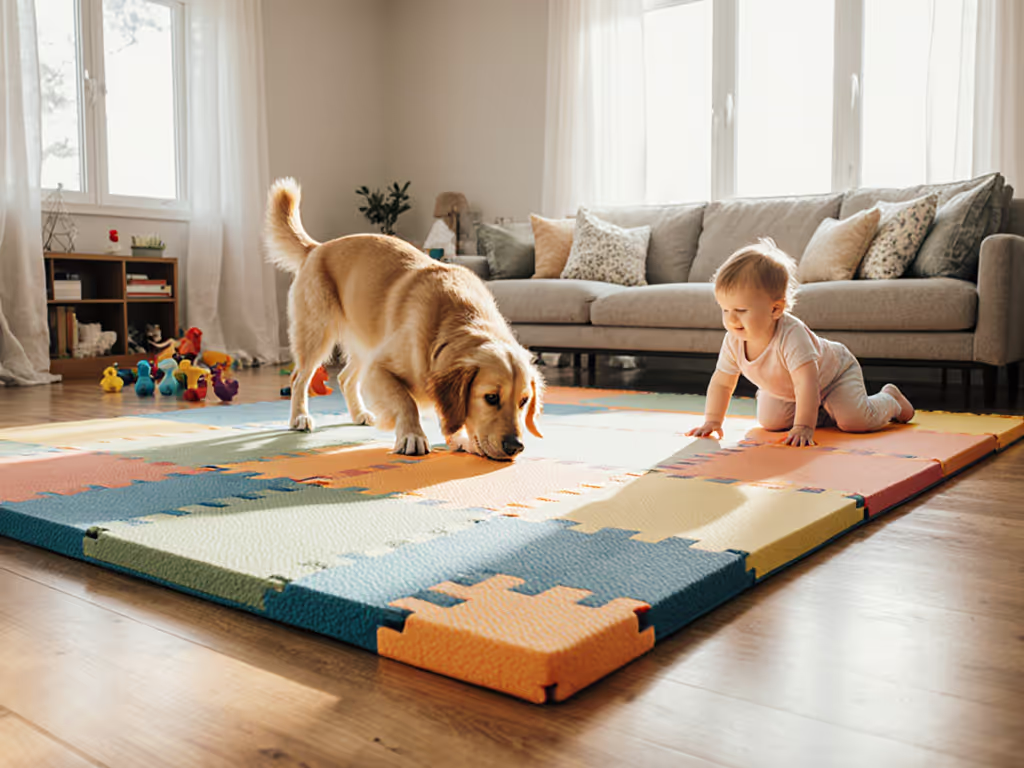
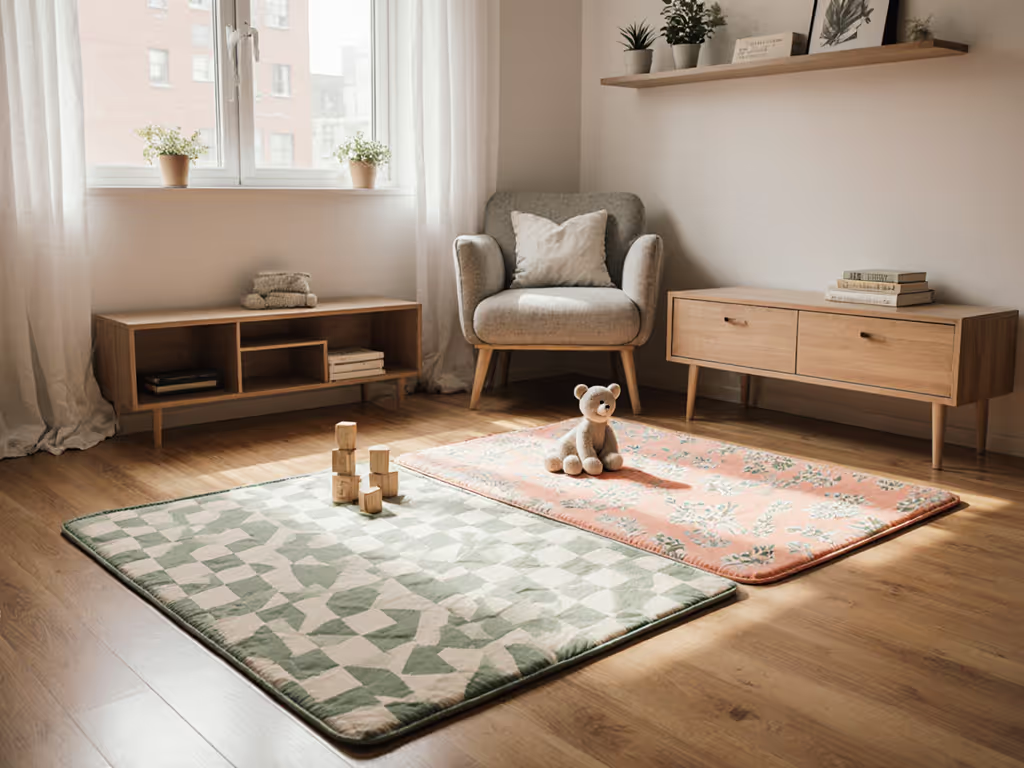
Most guides treat all infants the same. For help setting up a calming environment, see our secure base play mat guide. But a mat that delights an active baby (seeking high contrast, crinkles, rattles) may overwhelm a calm infant (preferring soft textures, muted colors, quiet exploration). This isn't parental preference, it's neurodevelopmental science. Overstimulation from a mismatched mat-to-temperament setup can spike cortisol levels in sensitive babies, per AAP research on infant stress responses.
Risk-Tier Framework for Sensory Features:
Remember: Overstimulation isn't 'just fussiness.' It impacts sleep cycles and feeding focus. Watch for zoning out, arching back, or frantic hand-waving, early signs your mat's stimulation balance is off.
'Non-toxic' is meaningless without proof. Use our non-toxic play mat safety checklist to know which certifications and tests actually matter. When I tested mats for my own nursery, I discovered:
Critical Transparency Checklist:
Unknown? Flag it: Many brands claim 'plant-based' materials but omit percentages. Without independent verification (e.g., Carbon Trust certification), assume <10% bio-content.
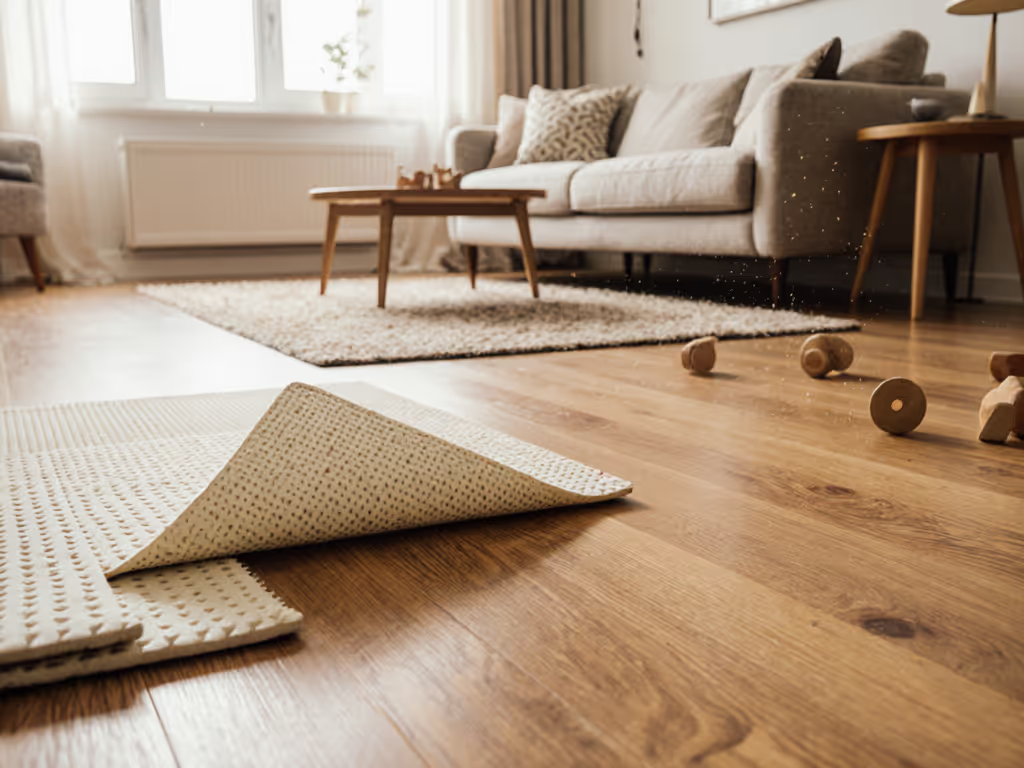
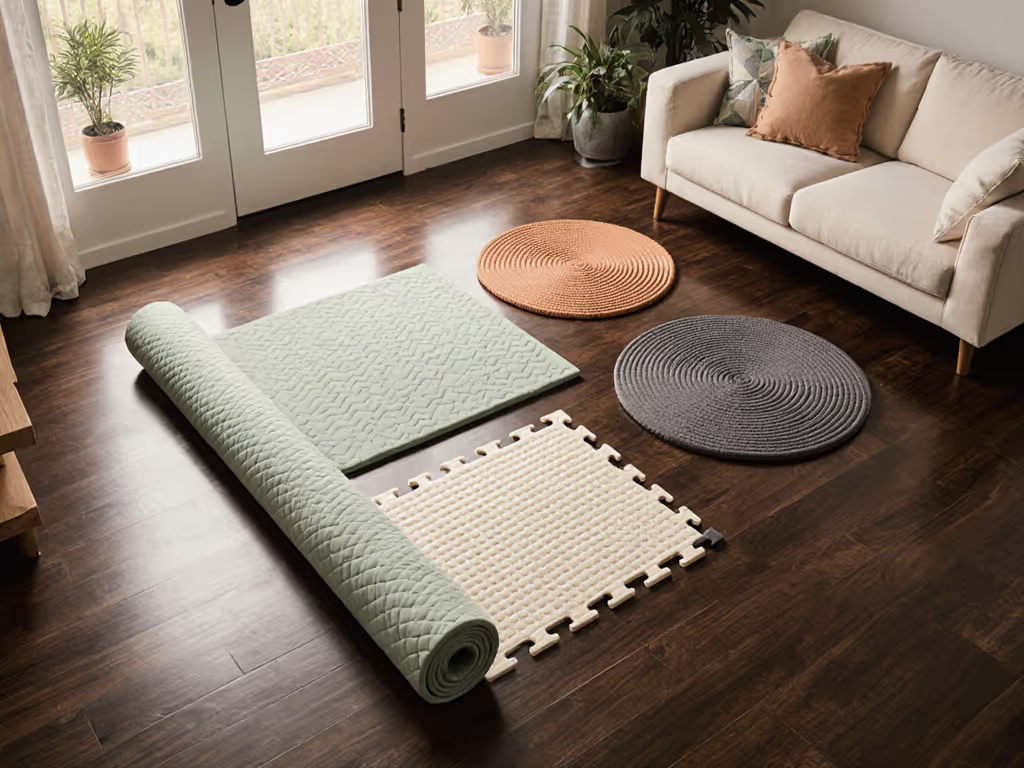
Hardwood floors slip. Get floor-specific recommendations in our hardwood and carpet compatibility guide. Carpets bunch mats. Apartments need versatility. Here's what works for space-constrained homes:
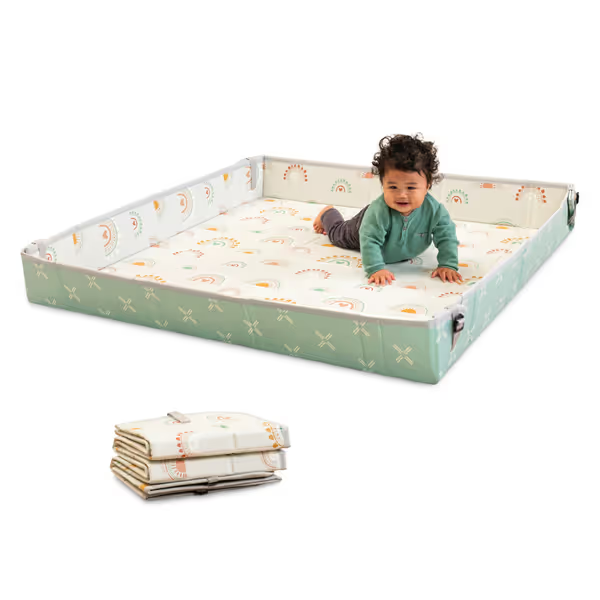
The Foldable Advantage Mats like the Infantino Foldable Soft Foam option solve 3 pain points at once: they pop up to corral toys (crucial for active babies rolling toward walls), fold flat for under-sofa storage, and their reversible design swaps bold patterns for neutrals when guests visit. Key feature: verify non-slip backing works on your floor type. Test reports should specify shear strength on hardwood (e.g., >2.5 lbs/in² per ASTM D4574).
Size Logic for Small Spaces Forget 'standard' sizes. Measure:
Premium mats seem expensive until you calculate cost-per-use. A $90 mat used daily for 18 months costs $0.17/day. A $30 mat discarded after 3 months (due to peeling, odors, or poor sizing) costs $0.33/day and forces rebuying.
Price-Per-Month Breakdown:
| Factor | Budget Mat ($30) | Certified Mat ($90) |
|---|---|---|
| Usable Lifespan | 3 months | 18 months |
| Price/Month | $10.00 | $5.00 |
| Safety Certifications | None | Greenguard Gold + OEKO-TEX |
| Storage Ease | Bulky roll | Folds to 12"x12" |
| Stain Resistance | Spot-clean only | Full wipe-down |
Note: Lifespan assumes:
Don't rely on reviews. Use this verification workflow:
That 'new mat' smell I endured? It wasn't 'normal,' it was VOCs. Your baby's play space should be a sanctuary, not a chemistry experiment. When brands provide full material disclosures and test reports, they empower your choices. Demand proof. Track what works. And always, show the test report.