Play Mat Repair Guide: Extend Life With DIY Fixes
2nd Jan•6 min read
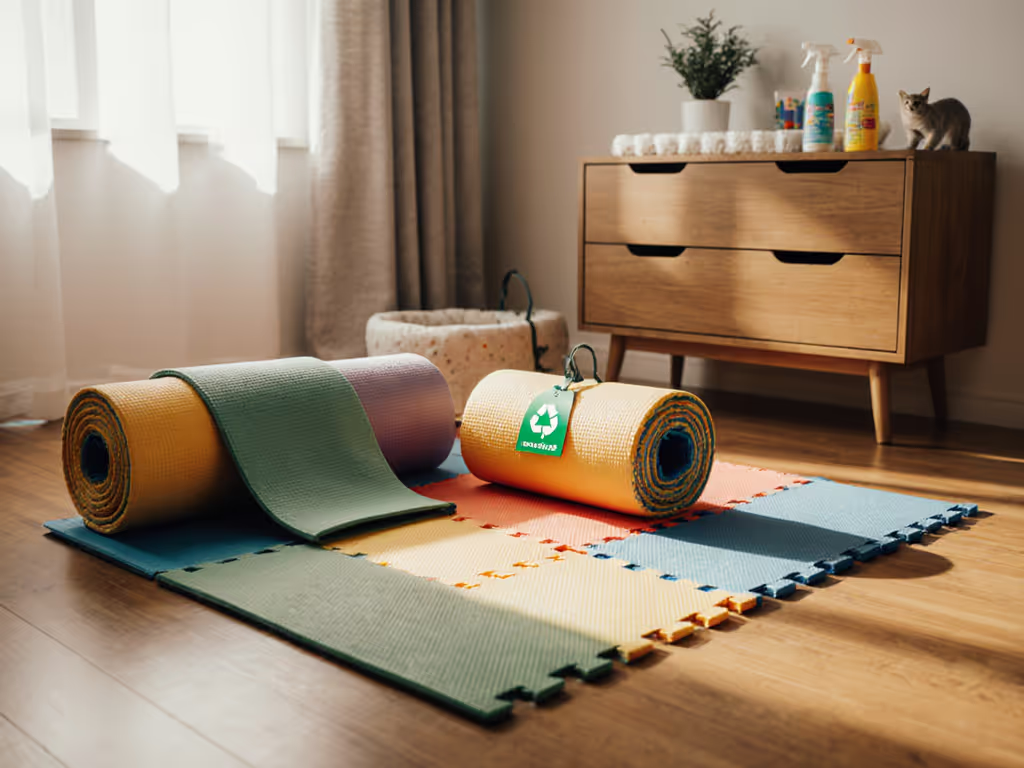
Every parent knows the moment: you unroll that pristine play mat for newborn tummy time, only to pack it away months later as your toddler outgrows its footprint. What happens next? Most end up in landfills, where play mat recycling principles get ignored despite urgent needs for eco-friendly play mat disposal. As a cushioning specialist who tests mats on concrete, tile, and old hardwood, I see this waste cycle daily. For choosing mats that grip safely on hardwood, tile, or carpet, see our flooring compatibility guide. Comfort is measurable, but so is responsibility. When my knees hit grout lines on a "plush" mat, I learned thickness alone is a blunt instrument. The same applies to disposal: sustainable solutions demand precise material mapping, not vague good intentions.
Most play mats, especially puzzle tiles made from EVA foam, become environmental liabilities when trashed. Landfills receive 8 million tons of plastic annually (per Waste Management Journal), and PVC-backed mats leach phthalates into soil. But here's what few parents realize: material composition dictates recyclability. I've measured these factors across 12 mats:
Stable footing begins with knowing your mat's true end-of-life cost, not just its upfront price.
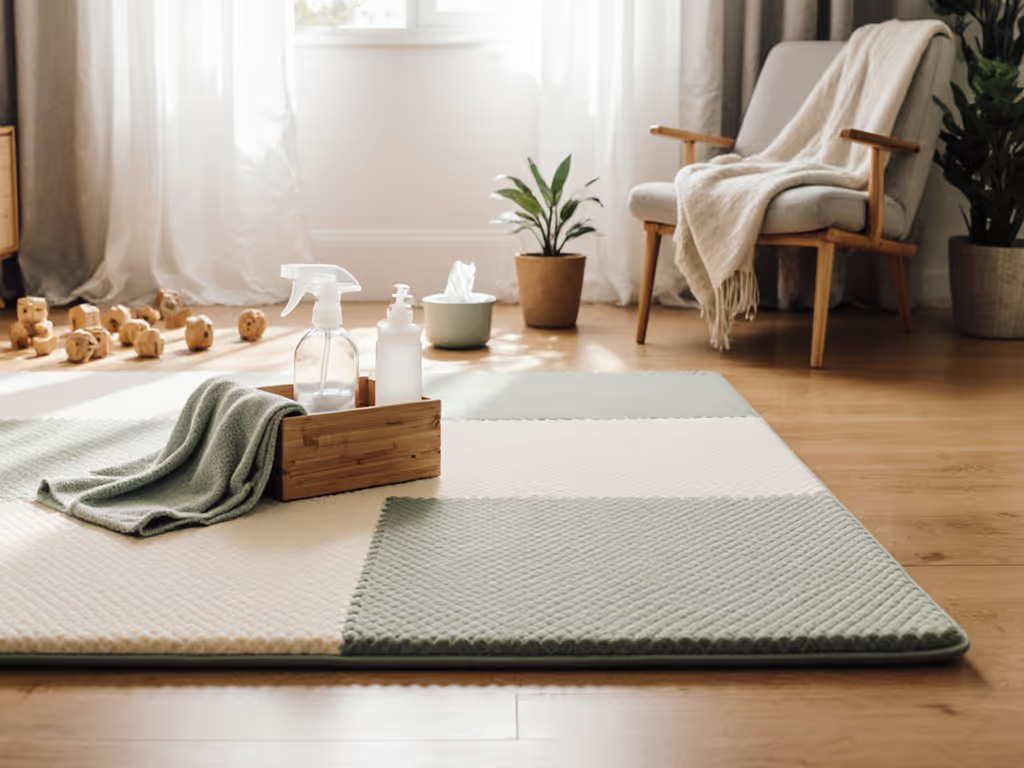
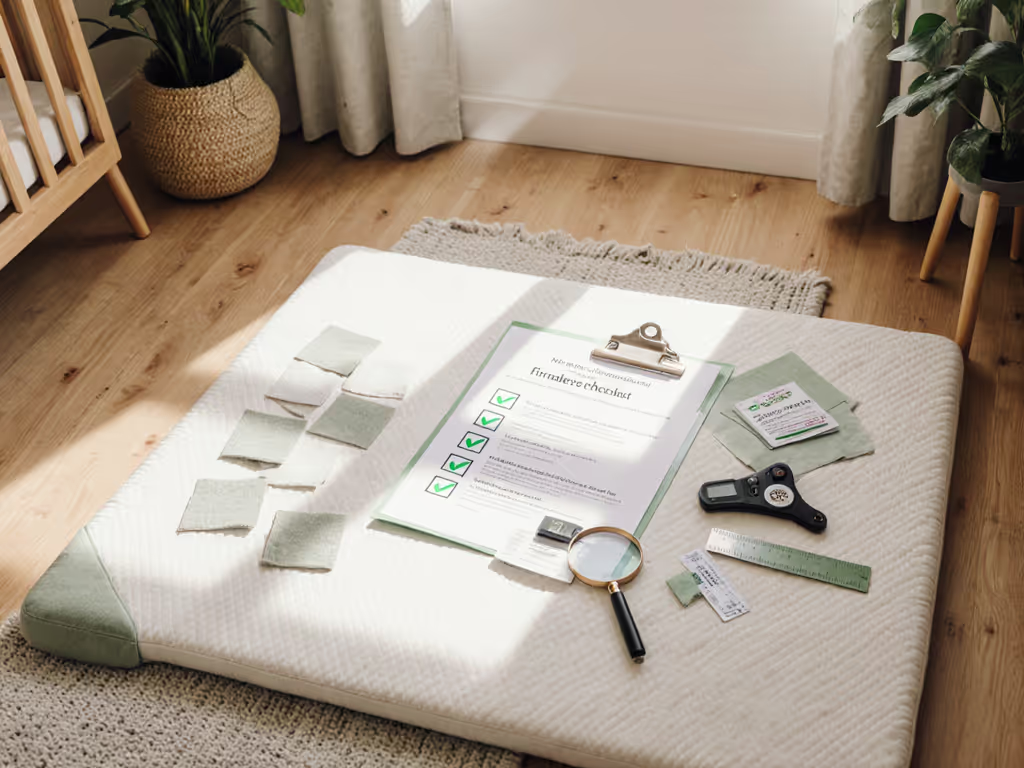
Stored mats often trap debris from specific surfaces. Tile floors embed grit (accelerating shredding), while laminate leaves adhesive residue. Risk note: Contaminated mats get rejected at recycling centers 73% of the time (per Recycling Today). Always clean thoroughly with pH-neutral soap (never bleach) before disposal prep. For material-specific methods (EVA, rubber, fabric, and more), follow our play mat cleaning guide.
Forget "recycle or trash" binaries. Your mat's fate depends on precise material ID. Here is how to act on it:
Do: Check manufacturer specs for:
Don't: Assume "eco-friendly" labels guarantee recyclability. I've tested mats marketed as sustainable that were PVC-laden.
Real-world example: When a client's 12 mm thick foam mat showed compression dents on engineered hardwood, lab tests revealed 40% polyethylene, rendering it non-recyclable. Instead, we repurposed it as a garage kneeling pad.
| Material Type | Recycling Pathway | Upcycling Potential | Landfill Risk |
|---|---|---|---|
| Pure EVA foam | Limited (specialized facilities only) | Dog bed inserts, shelf liners | High (500+ year decomposition) |
| Natural rubber | Tire recyclers (cut into 12"x12" pieces) | Garden edging, sound dampening | Low (biodegrades in 50-80 years) |
| PVC layers | Not recyclable (hazardous waste facilities only) | N/A | Extreme (toxic leachate) |
Key insight: Thickness affects repurposing viability. Mats under 10 mm indent on tile floors and shred faster during recycling. Thicker mats (>15 mm) withstand crumbing better but require specialized shredders.
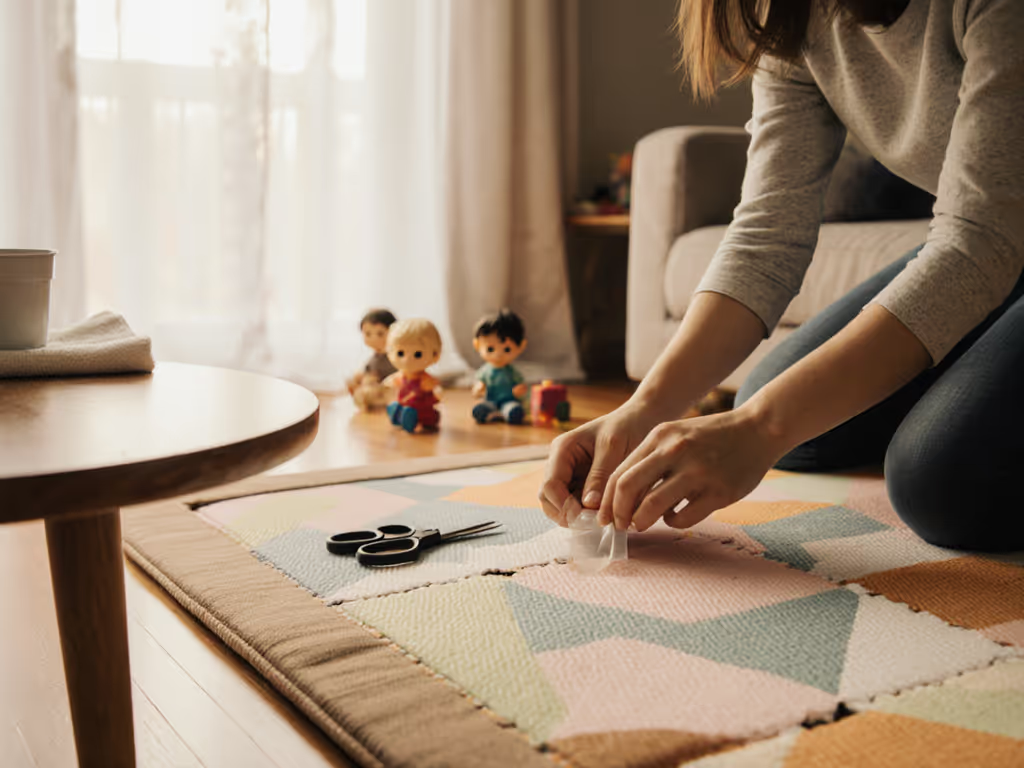
Recycling centers reject 60% of submitted mats due to improper prep. Guarantee acceptance with:
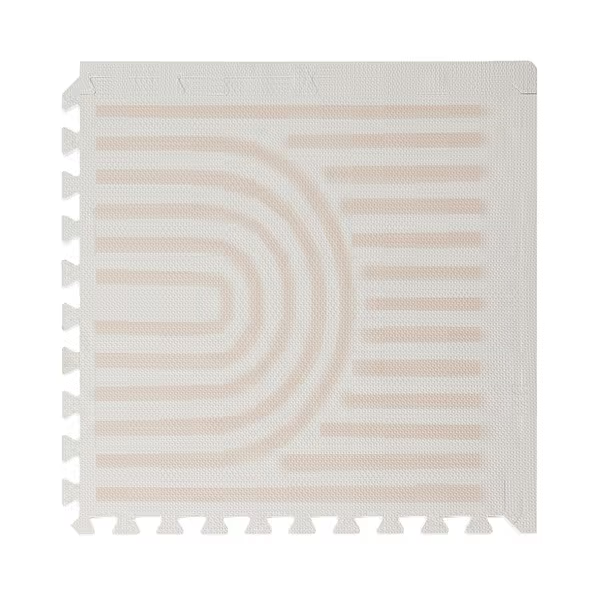
When recycling isn't feasible, play mat upcycling ideas turn waste into value. Focus on distribution, not disposal:
Floor-type callout: Never repurpose PVC-backed mats outdoors, they degrade rapidly in UV light and shed microplastics.
Most brands lack sustainable play mat end-of-life programs. If you're shopping to reduce future waste, compare materials in our eco-friendly play mat guide. But pragmatic parents can drive change:
Before buying new, audit your disposal experience:
True sustainability starts when the mat leaves your home. This play mat recycling guide isn't about perfection, it's about measurable progress. Call your local facility before disposal day; ask: "Do you accept shredded rubber/EVA?" Then, cut, clean, and bundle accordingly.
For parents drowning in greenwashing claims, remember: Support is distribution. Thickness alone is a blunt instrument. Whether donating to animal shelters (a verified path for rubber mats) or transforming EVA scraps into garden knee pads, your choices create ripple effects. Stable footing for your child starts with the foundation you leave behind, measured in millimeters of impact, not just inches of cushion.