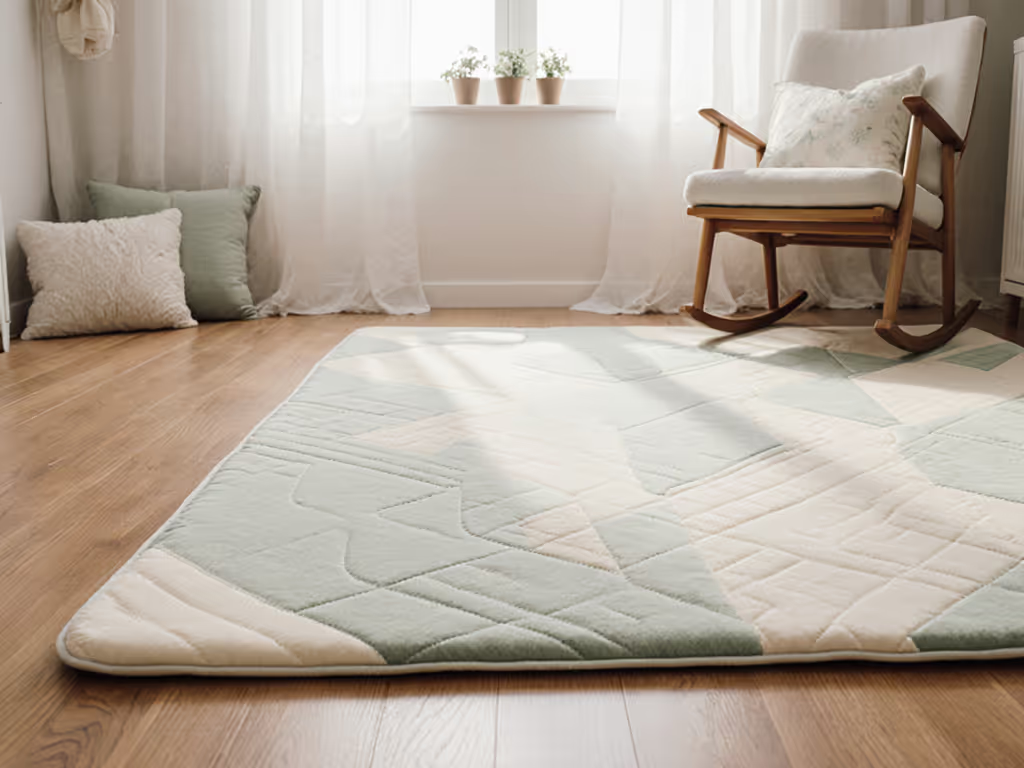
Colic-Soothing Play Mat Design For Calm, Stable Comfort
21st May•11 min read
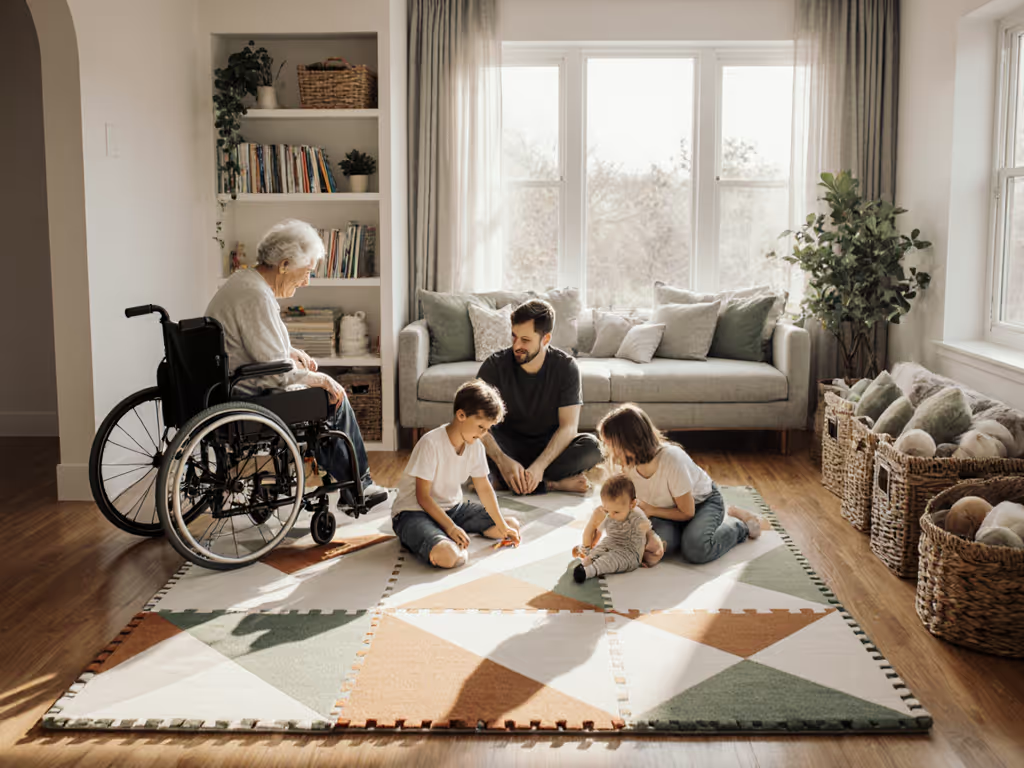
When selecting flooring for infant and toddler development, inclusive play mat design has become a critical consideration beyond basic safety standards. As urban living spaces shrink and family structures diversify, parents need surfaces that accommodate varied physical needs, multiple caregivers, and evolving developmental stages without compromising on safety or aesthetics. This isn't just about cushioning falls (it's about creating intentional spaces where every family configuration can thrive during those crucial early years).
Inclusive play mat design goes beyond accessibility compliance to address the nuanced realities of modern family life. Traditional play mats assume a nuclear family structure with ample dedicated space, something increasingly rare as households become more diverse. An inclusive approach recognizes that:
"Transparency is a feature, not a vibe or hint." This principle guides everything from material sourcing to usability testing.
While ADA compliance addresses basic accessibility, true inclusive play mat design requires:
Single parents often need mats that allow simultaneous supervision of multiple children at different developmental stages. For the LGBTQ+ family play area, designs that avoid gendered aesthetics while accommodating diverse family structures become essential. Blended family play setups require modular configurations that adjust as household dynamics evolve.
Most parents researching play mats focus solely on cushioning thickness without examining what's inside the mat. This is where third-party certifications become non-negotiable:
During my own product research, I kept an off-gassing log after noticing our nursery's "new" smell correlated with my headaches, only to discover many "non-toxic" mats still emitted measurable VOCs. One manufacturer provided their full CA 01350 test report showing emissions at just 5% of threshold limits. The smell disappeared, and so did my headaches. This experience cemented my belief that transparency isn't optional (it is foundational).
| Risk Level | Characteristics | Verification Needed |
|---|---|---|
| High Concern | PVC with phthalates, brominated flame retardants | Avoid - no safe exposure level for infants |
| Medium Concern | EVA foam with formamide traces | Request full CA 01350 test report |
| Lower Concern | TPU, food-grade silicone, natural rubber | Confirm OEKO-TEX certification |
Unknowns stay labeled: While many brands claim "BPA-free," this often means substituting other bisphenols with less research. Manufacturers should disclose all plasticizers used, not just the most notorious ones. For a deep dive into material composition and safety trade-offs, see our materials guide.
Urban parents face unique challenges in creating functional play areas within multi-purpose rooms. For compact setups and storage tips, explore our apartment-friendly play mats. The most effective inclusive play mats address:
Hard surface flooring requires special attention. Many parents report mats slipping during active play. Look for dual-surface designs: textured tops for baby grip paired with non-slip undersides tested on multiple floor types. Manufacturers should provide independent testing data showing slip resistance metrics (ASTM F1677-05), not just vague claims.
For design-conscious parents, the true cost isn't the purchase price but the price-per-month of usable life. Calculate this by:
Total cost ÷ (months from newborn tummy time through active toddler play)
A $200 mat used for 24 months costs $8.33/month, often less than disposable changing pads or temporary solutions. Key value indicators include:
When evaluating storage options, request:
The most inclusive designs accommodate adult use too, supporting parent yoga or floor seating during playdates, which extends the mat's practical life significantly.
As standards evolve, look for manufacturers who publish:
True inclusivity means acknowledging what we don't know. Manufacturers should explicitly state:
Unknowns stay labeled (this transparency allows parents to make informed trade-offs based on their specific risk tolerance).
Creating a truly inclusive play space requires looking beyond marketing claims to examine:
For deeper research, consult the Healthy Building Network's "Materials Health" guidelines and the International Play Equipment Manufacturers Association's updated safety standards. Document your own home testing, and note how materials perform after three months of use versus initial impressions. Share findings in parent communities to build collective knowledge beyond marketing narratives.
When manufacturers treat transparency as a feature rather than an afterthought, we move closer to play spaces where every family feels genuinely welcome and safe.