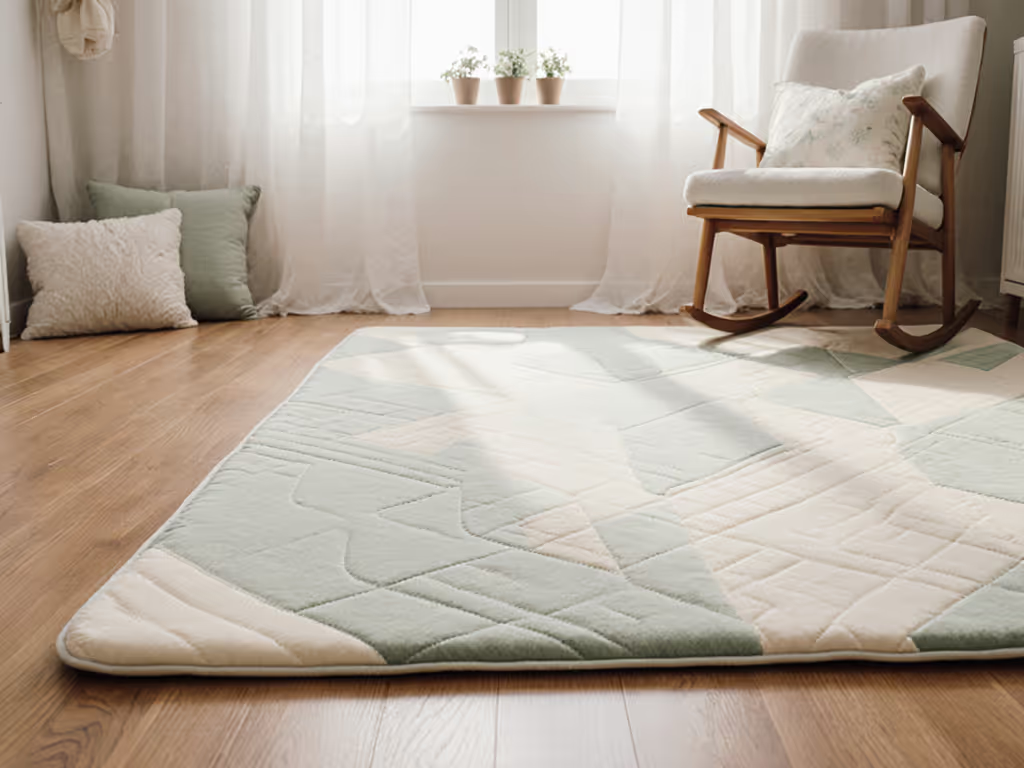
Colic-Soothing Play Mat Design For Calm, Stable Comfort
21st May•11 min read
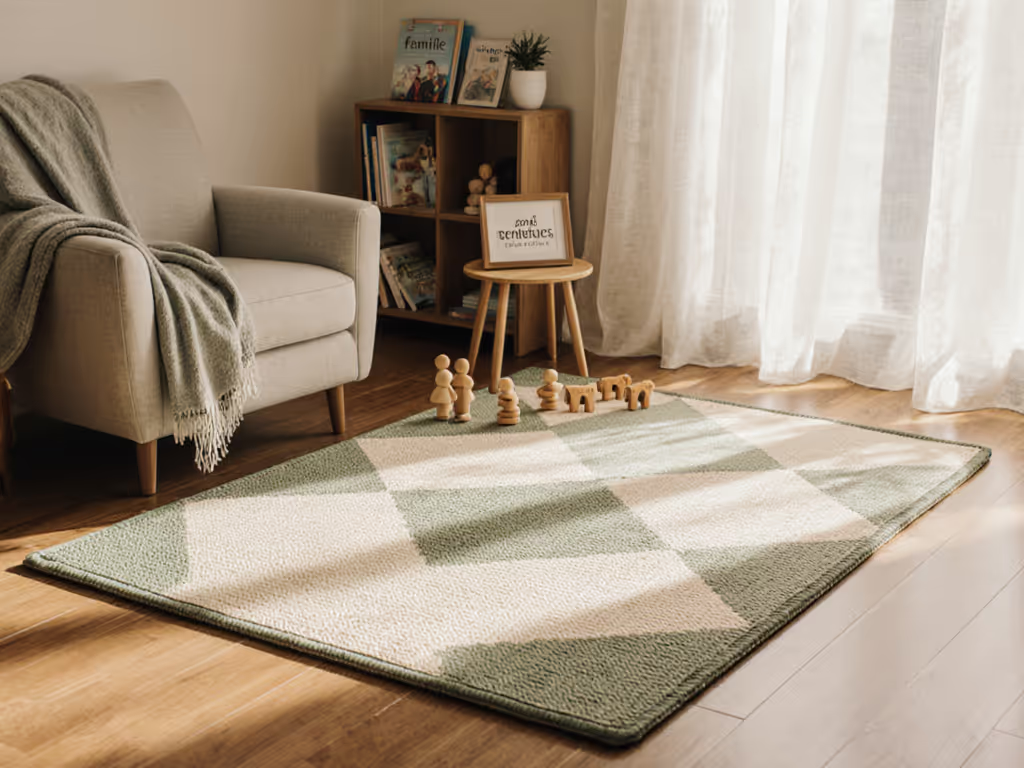
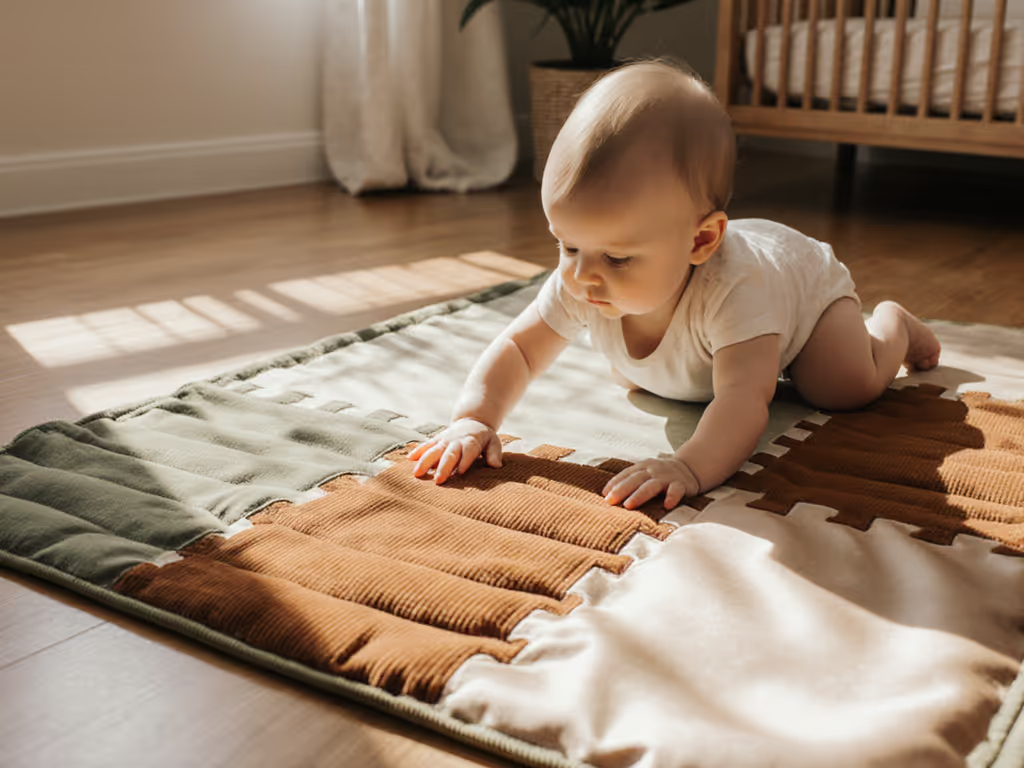
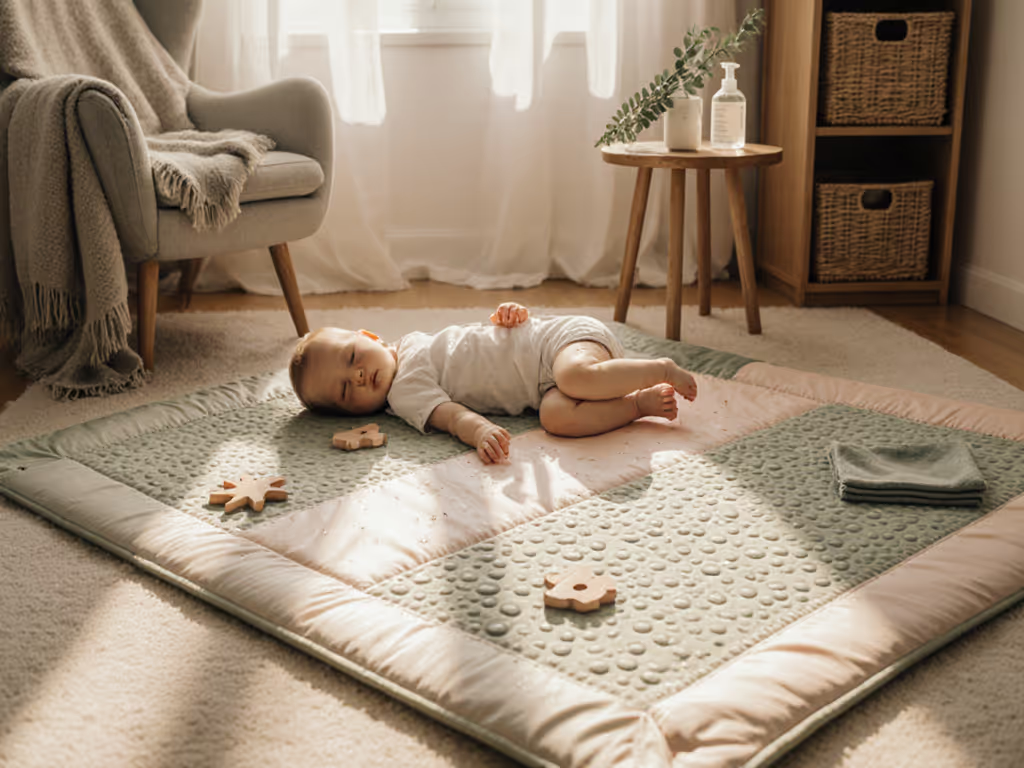
When building a secure home for newly joined children, the baby play mat becomes far more than a physical surface, it functions as the cornerstone of your adoptive family play space. This seemingly simple item serves as what attachment theorists call a "secure base," the consistent foundation from which children explore, regulate emotions, and build trust in their new caregivers. For adoptive families navigating attachment challenges, the right mat isn't just play equipment; it's an environmental cue signaling safety in a world that recently felt uncertain. For deeper guidance on creating a predictable, soothing environment, see our secure base emotional regulation guide. As a parent who once replaced three flimsy mats in rapid succession, I've learned that price per month beats sticker price for real-world value, especially when your child's emotional security hangs in the balance.
John Bowlby's attachment theory established that children develop through stages of attachment, with a secure base serving as the critical foundation. For adopted children who may have experienced early disruptions, this base isn't merely helpful, it's essential for rewiring their expectations of caregiver reliability. When children feel safe on their play mat, they're more likely to engage in exploratory behavior, practice motor skills, and initiate bonding interactions with their new parents.
Research confirms that consistent physical environments directly impact emotional regulation. Children with secure attachments use their caregivers (and safe spaces) as "home bases", venturing out to explore then returning for comfort. For adoptive families, the play mat becomes this tangible anchor when verbal reassurance alone isn't yet internalized.
While all infants benefit from secure bases, adoptive families face unique challenges:
Unlike biological families where attachment develops organically from birth, adoptive parents often need to accelerate trust-building through intentional environmental design (a process where the play mat serves as both stage and support system).
| Feature | Standard Play Mat Issues | Secure Base Play Mat Solution | Impact on Trust Building |
|---|---|---|---|
| Consistency | Tiles shift or separate; mats curl at edges | Seamless, anchored perimeter; uniform texture | Creates predictable environment crucial for anxious children |
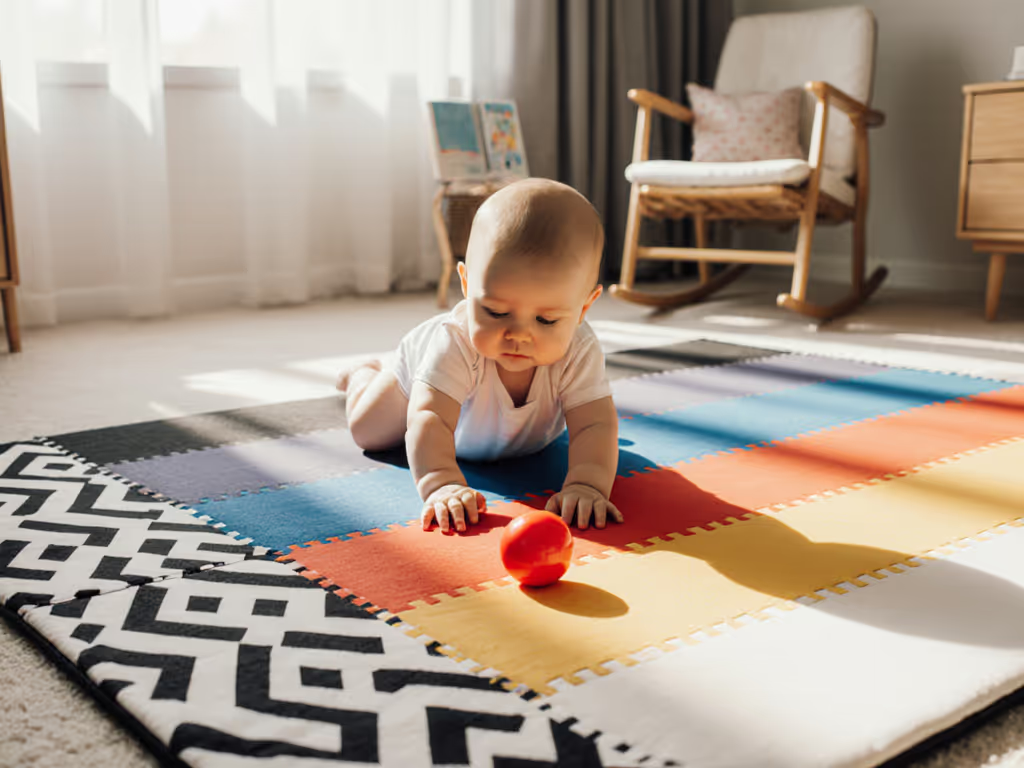
| Boundary Definition | Bright patterns create visual chaos | Subtle color transitions marking safe zone edges | Provides clear "container" for exploration without sensory overload |
| Temperature Stability | Cold surfaces trigger discomfort reflexes | Thermal-regulating materials that maintain warmth | Reduces stress responses from physical discomfort |
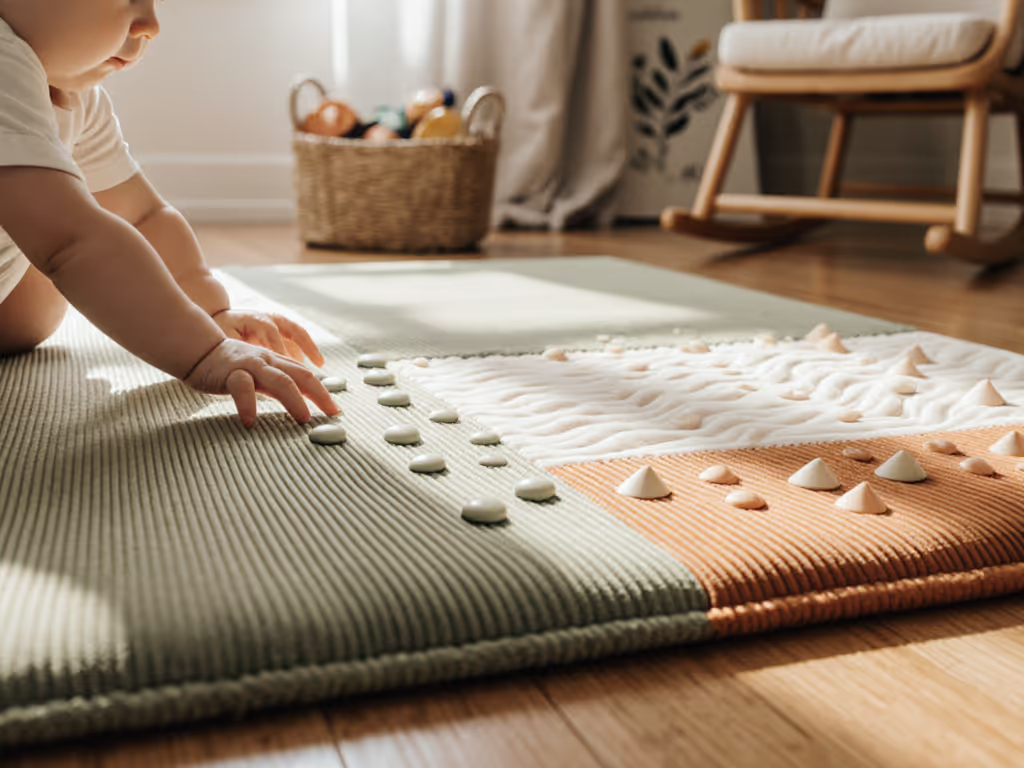
| Surface Feedback | Unstable cushioning creates insecurity | Firm-yet-yielding composition supporting motor development | Builds confidence in physical capabilities through reliable feedback |
Most adoptive families I've worked with replace play mats 2 to 3 times before finding one that truly supports their child's attachment needs. Let's calculate the real cost:
Cheap mat option: $45 × 3 replacements = $135 over 18 months
Premium secure base mat: $180 ÷ 18 months = $10/month
Assumptions: 18-month usage period covering newborn stage through toddler independence; replacement costs include time, stress, and missed bonding opportunities
The premium option costs less per month while providing consistent sensory input crucial for attachment development. This isn't about luxury, it's about creating the stable environment your child needs to form secure relationships.
For adoptive families specifically, these features transform a simple mat into a therapeutic tool:
A true trust-building play surface accommodates the child's need for both exploration and retreat (critical when trust is still being established). The mat should feel like a "yes" space where children learn their actions have predictable, positive outcomes.
The mat becomes most valuable when paired with intentional interaction. Focus on activities that build mutual regulation:
Price per month beats sticker price for real-world value, especially when your child's emotional security hangs in the balance.
Your transitional play mat should occupy a consistent location that:
In small apartments common among adoptive families, this often means sacrificing some living room space, but the tradeoff is worth it. Calculate your square foot ROI: if the mat occupies 9 sq ft in a 500 sq ft apartment, that's 1.8% of your space. If it successfully supports 2 hours of daily secure play, that's 14 hours weekly of critical attachment-building time. The math shows which square feet truly earn their place in your home.
For adoptive families, the right baby play mat transcends its physical form to become a psychological anchor in your child's new reality. Unlike standard mats bought for convenience, a true secure base play mat supports the delicate work of building trust through:
The most significant factor isn't color or thickness, it's whether the mat creates a consistent, predictable space where your child learns the world (and you) can be trusted. When evaluating options, prioritize features that support emotional regulation over aesthetic preferences. Remember that a mat requiring frequent replacement creates environmental instability that directly undermines attachment work.
I've seen too many families repeat my early mistake of buying cheap mats that curl at the edges, creating unpredictable boundaries that confuse developing minds. To prevent shifting and boundary gaps, compare edge security systems that keep play zones stable. For adoptive families working deliberately to build security, these environmental inconsistencies aren't mere inconveniences, they actively work against your attachment goals.
Buy once, use longer. This isn't just sound financial advice, it's therapeutic wisdom for families building trust one square foot at a time. Your child's secure base deserves nothing less than a foundation that remains steadfast through every stage of their healing and growth.